
How to Choose Your Wedding Photographer
A real framework for finding the right photographer, not just a beautiful one. Style fit, the connection test, and the questions that actually matter.
The flowers will be gone by morning. The cake gets eaten. The dress goes in a box. Your photographs are what you look at ten years later when you want to remember what the day actually felt like. That's not meant to be dramatic; it's just true. Photography is the one wedding vendor whose work outlasts everything else, and it's also the vendor most couples under-research because portfolio browsing feels like enough. It isn't.
This guide gives you a real framework for choosing the right photographer for your day, not just the one with the most polished homepage.
Start with style: what kind of photography do you actually want?
Before you start contacting photographers, get clear on the kind of work you respond to. The labels below get used loosely in the industry, but they do mean different things. Knowing the difference helps you describe what you want, and helps a photographer tell you honestly whether they're a fit. Most photographers blend a few of these styles rather than working in just one. Pay attention to which combination shows up in the work that pulls you in.
Documentary / Photojournalistic
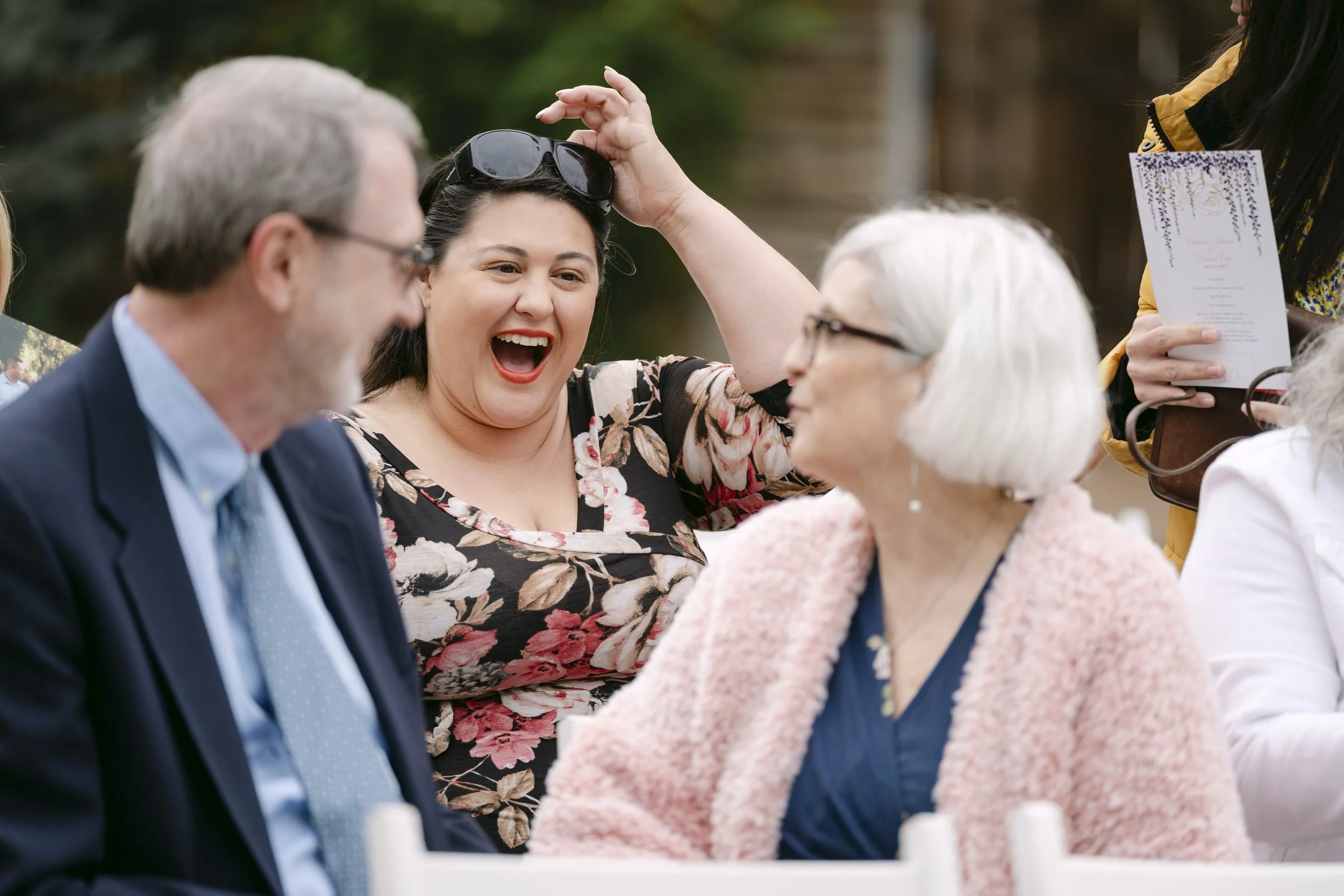
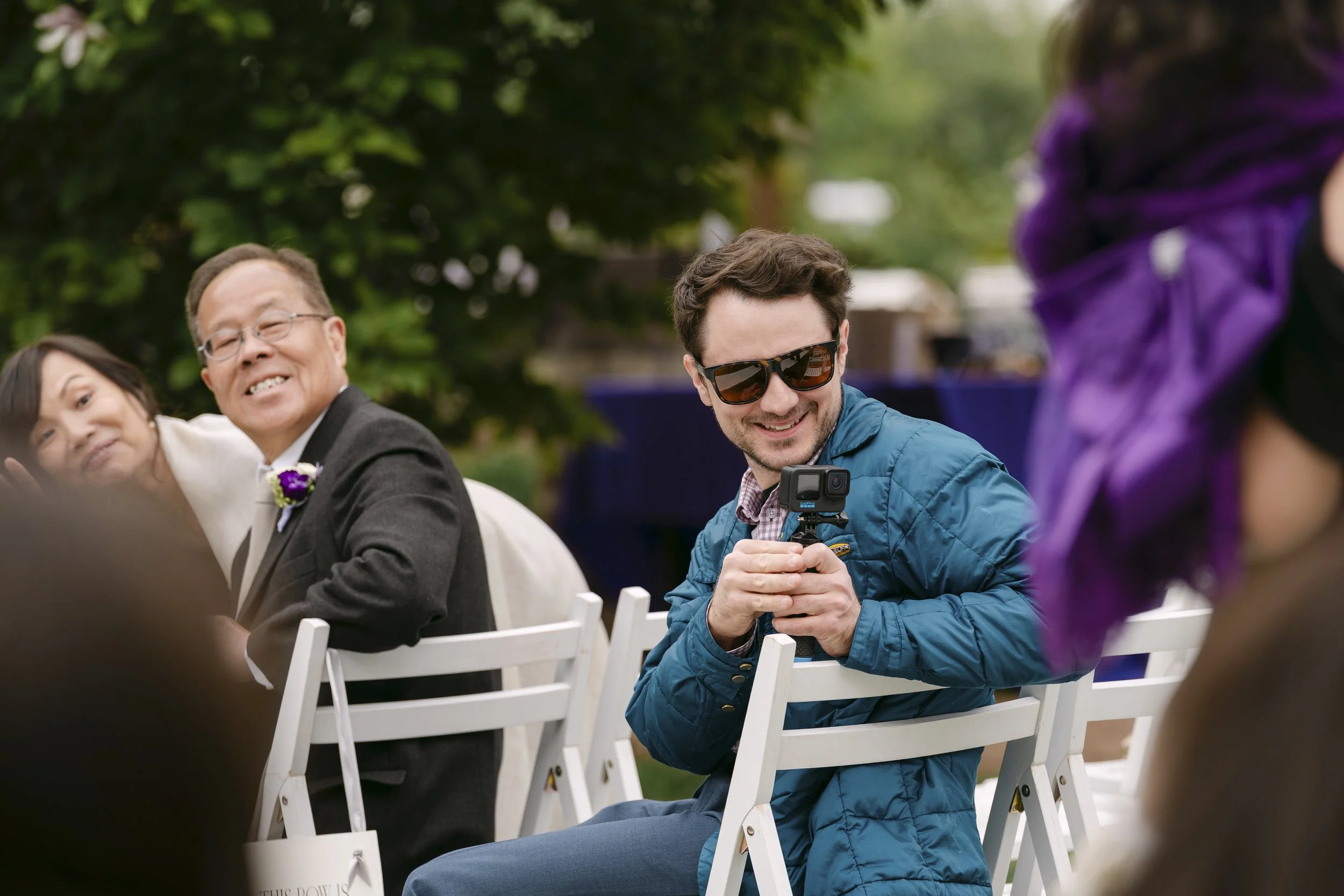
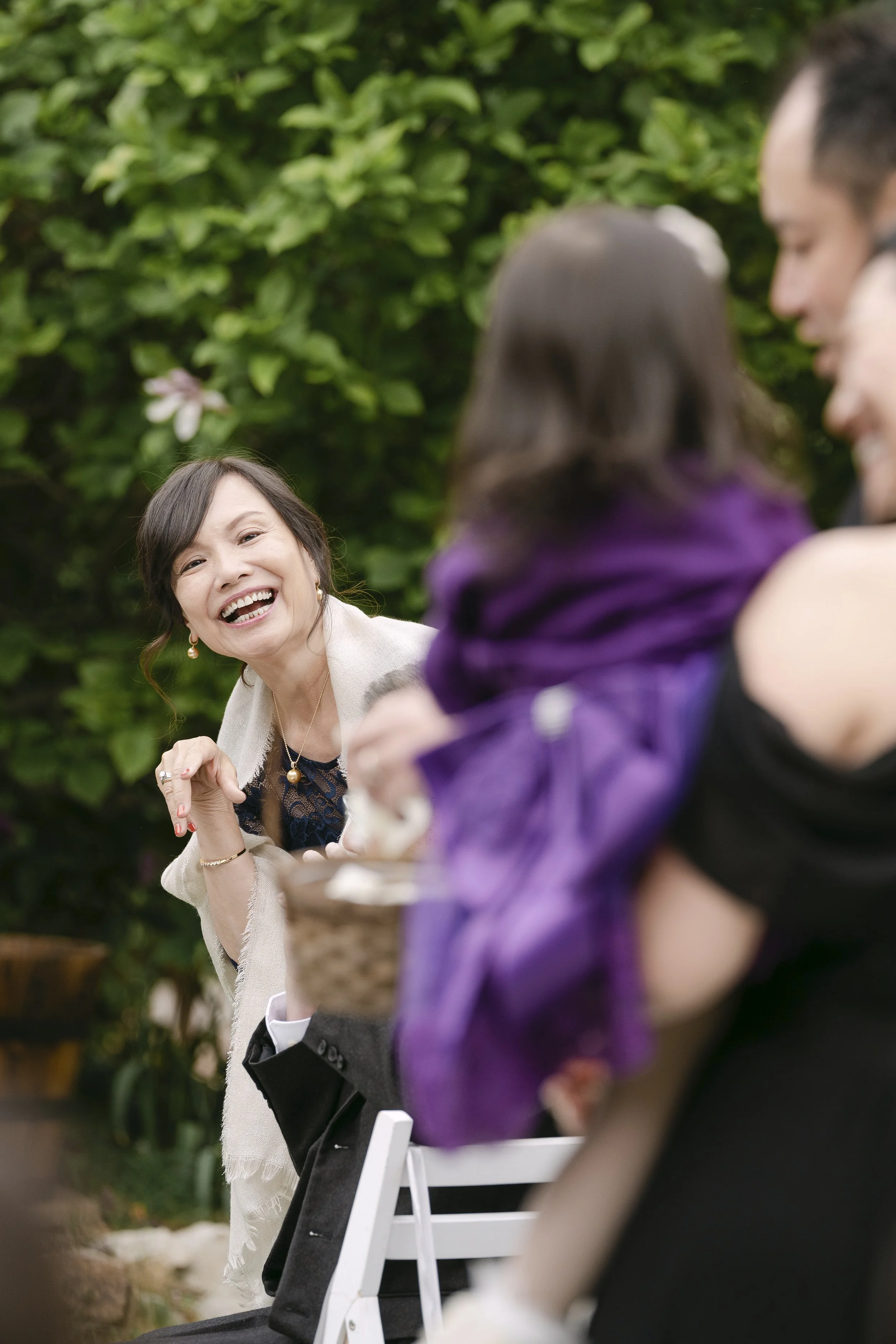
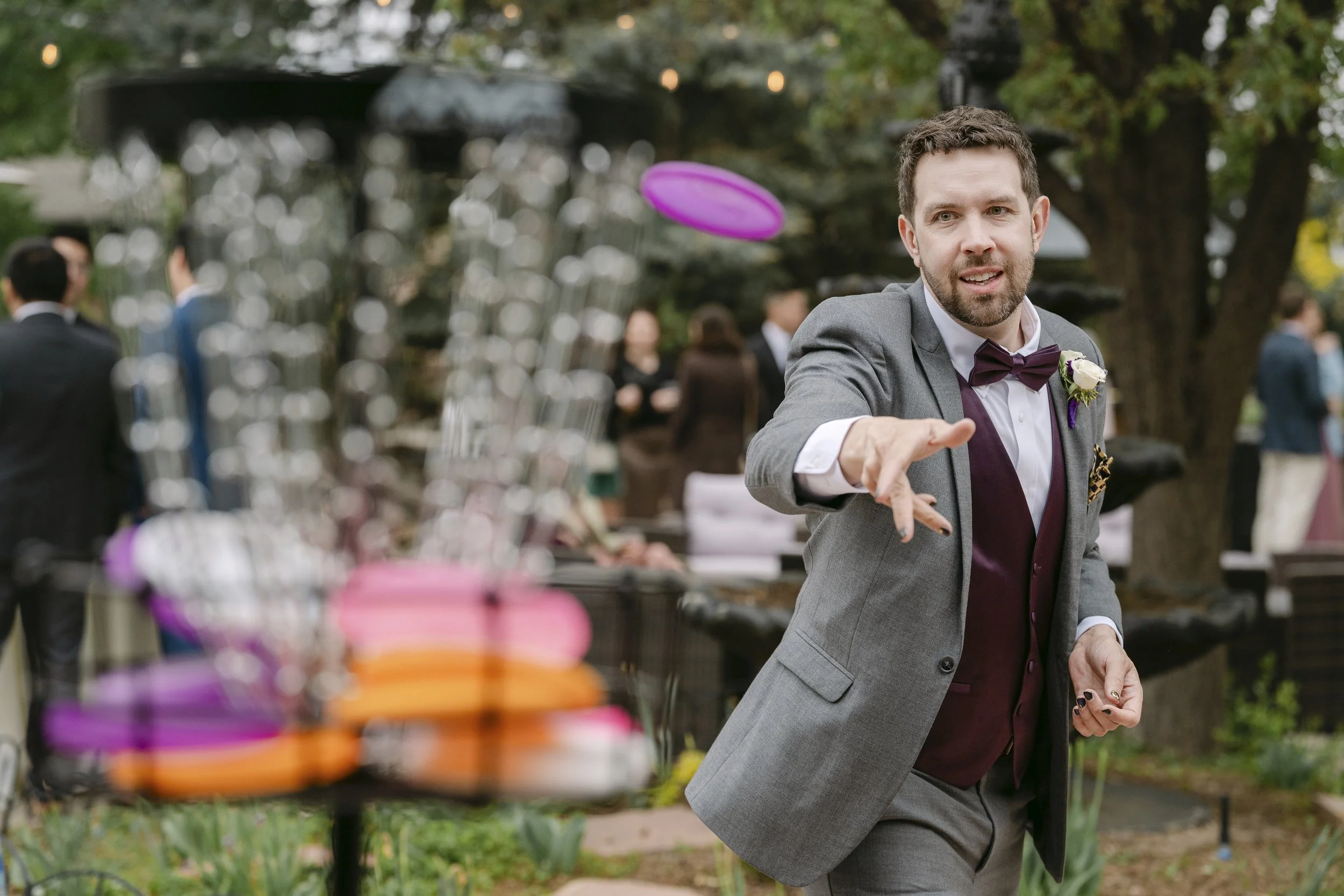
The photographer stays back and lets the day happen. Minimal posing, lots of quiet real moments, emotional captures. Images feel observed rather than directed. The look comes from the moment itself, not from styling.
Good for: Couples who want the day to feel uninterrupted and natural.
Editorial / Fine Art
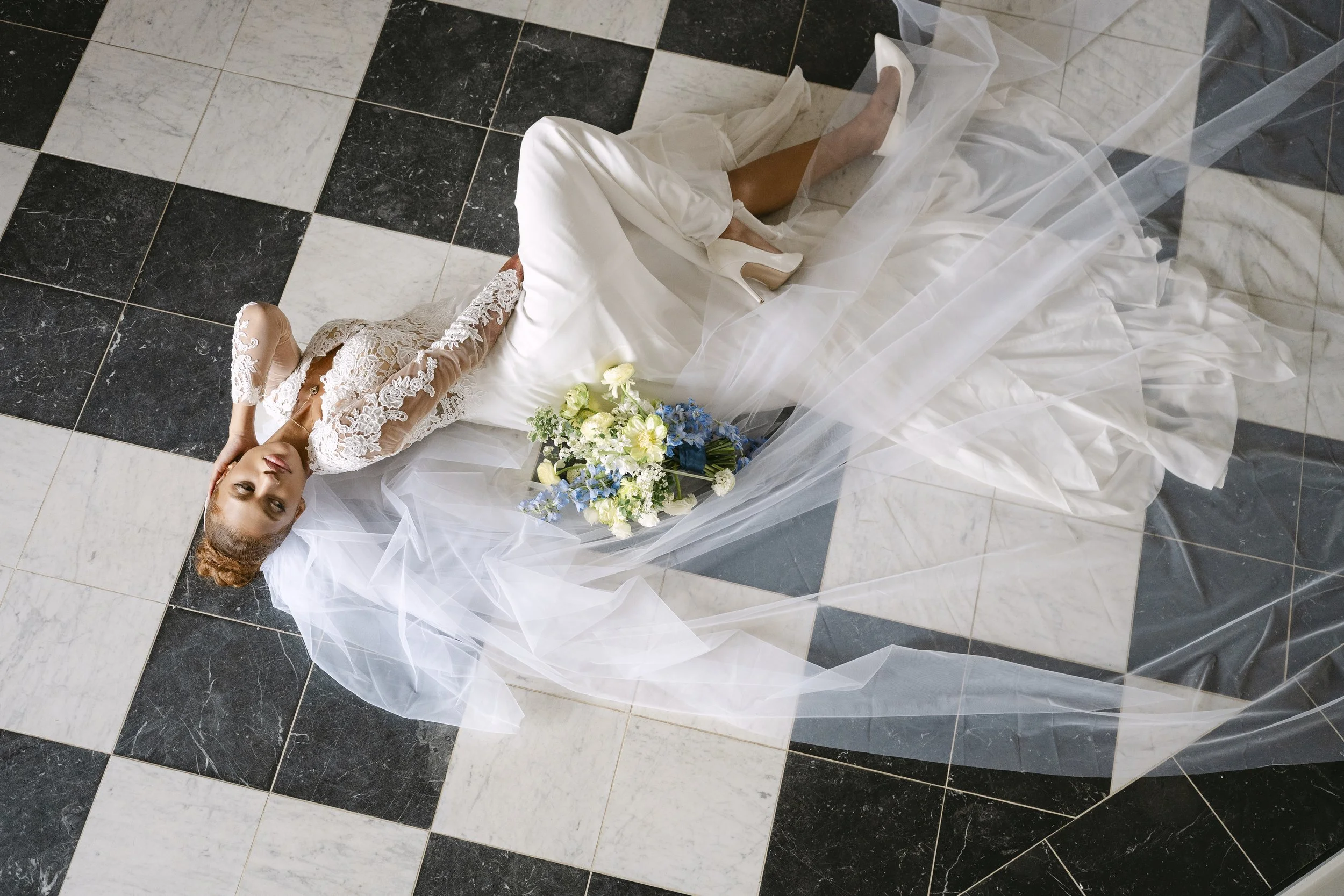
Strong composition, intentional light, often a bit more directed. Images look closer to magazine photography. The photographer has a clear creative voice. More structure, more polish, more of the photographer's eye on the page.
Good for: Couples who want images that feel considered and artistic.
Film / Film-forward
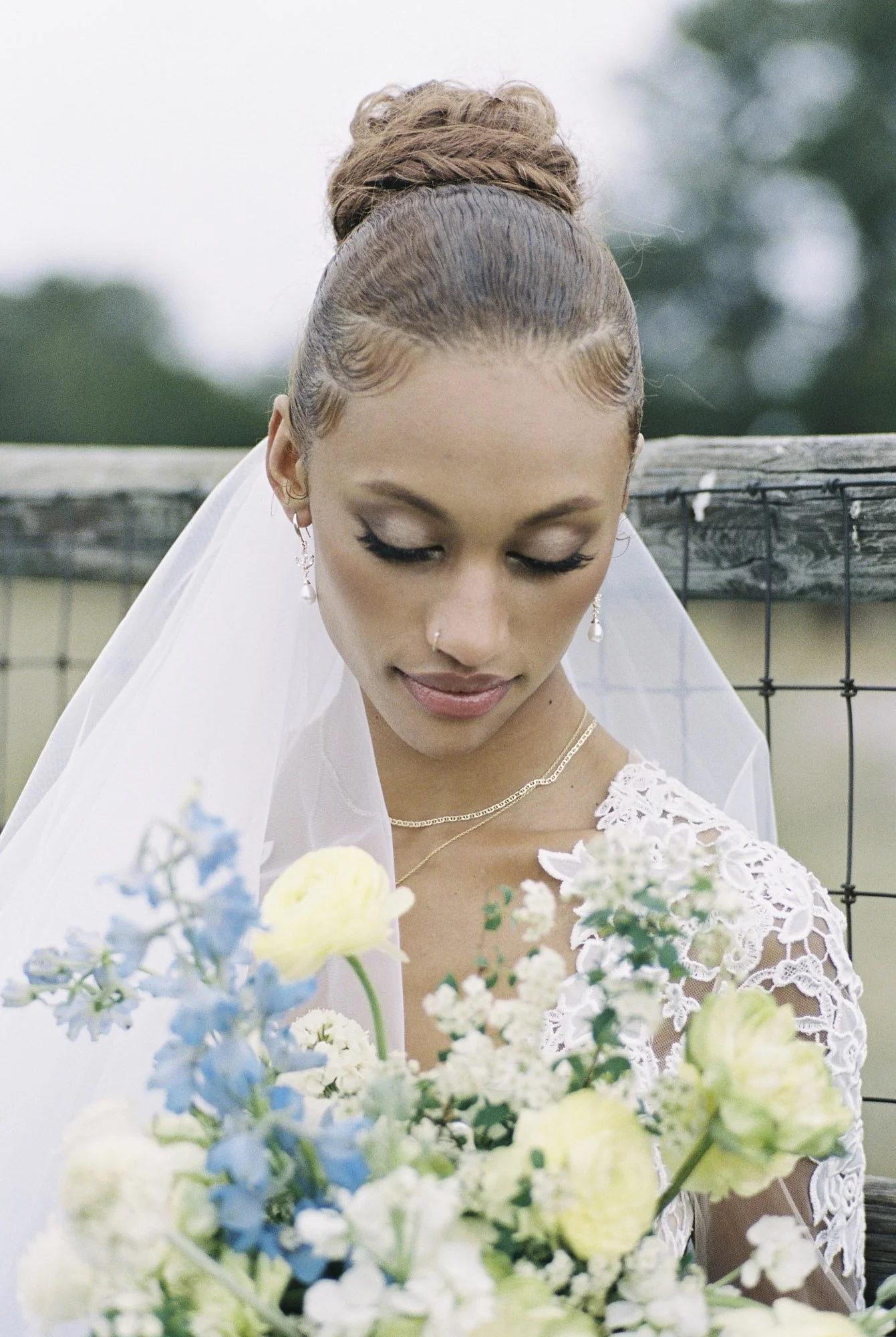
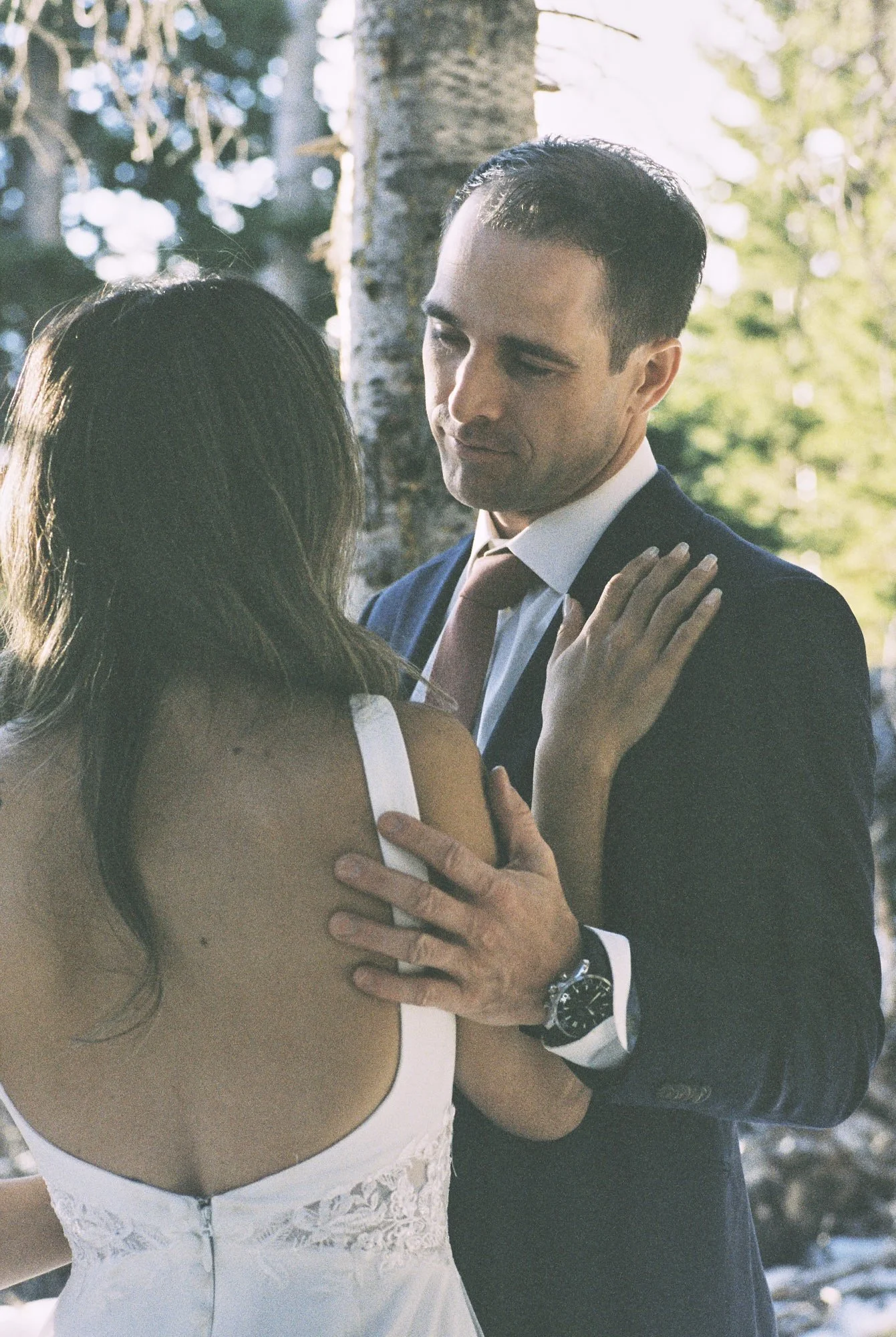
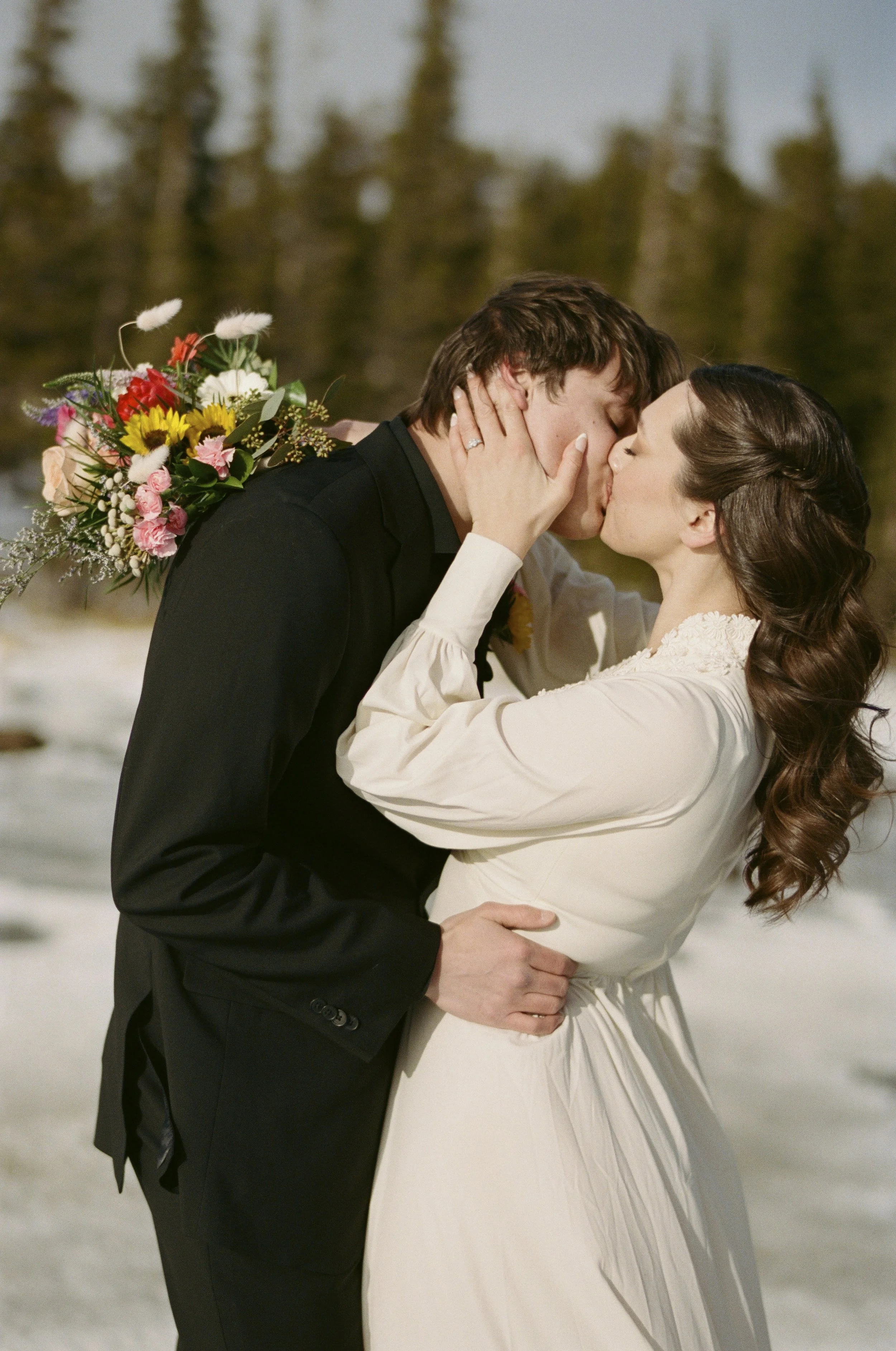
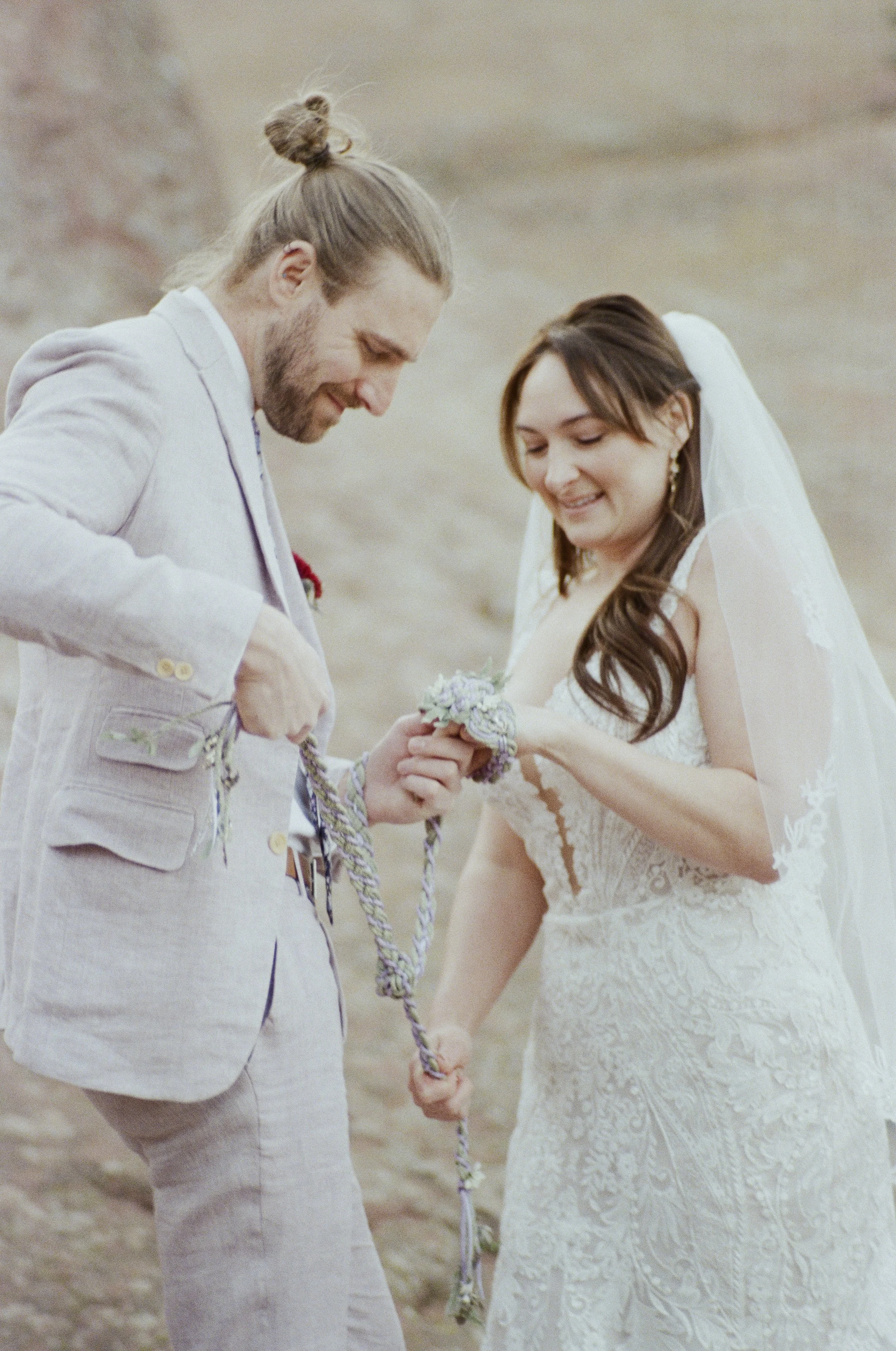
Either fully shot on film or a mix of film and digital. Soft grain, natural color, a slower process built into the day. Photographs tend to feel timeless rather than trendy. Often paired with documentary or editorial sensibilities.
Good for: Couples who want tactile, lasting images and care about the medium.
Traditional / Classic
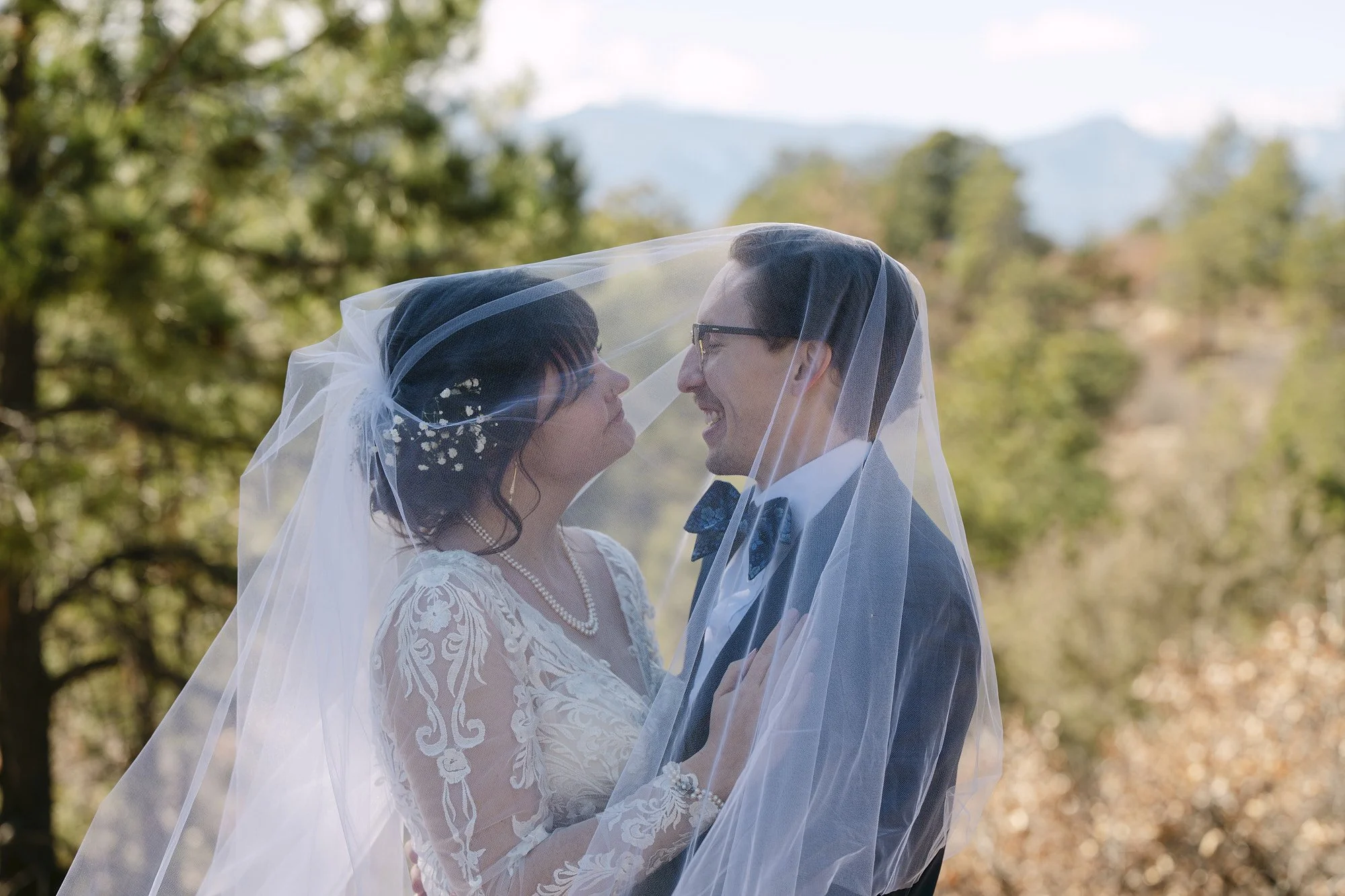
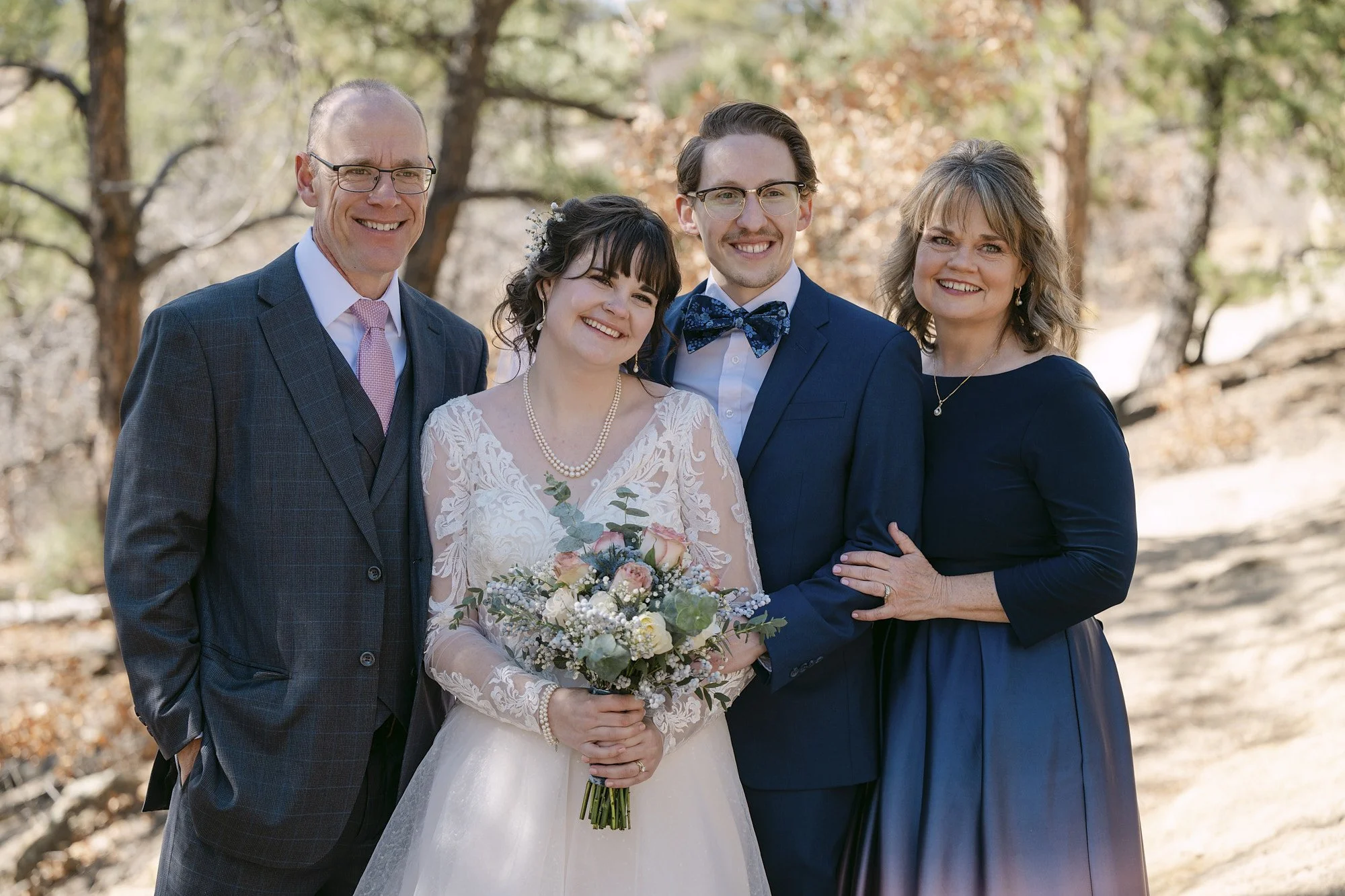
Group portraits, family formals, structured poses. The bread and butter of older wedding photography. Modern traditional photographers blend this with documentary moments, but the foundation is the formal portrait list.
Good for: Couples who want family portraits to be the centerpiece.
Light & Airy
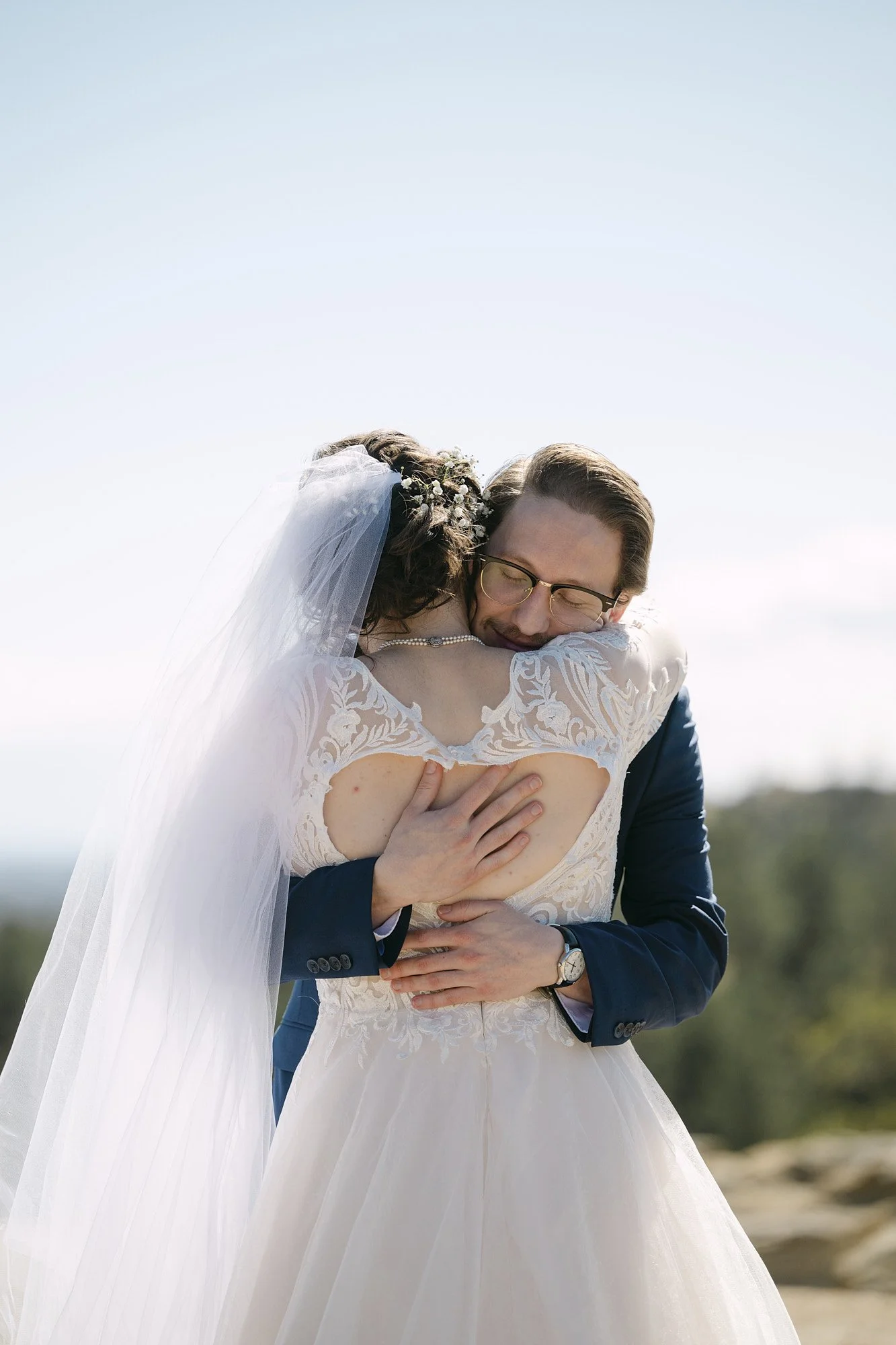
Bright, soft, often warm. Pastel tones, lifted shadows, a romantic feel. Works beautifully for daytime ceremonies and outdoor weddings. Can struggle in low-light receptions if not handled carefully.
Good for: Couples drawn to a soft, sun-washed feel.
Dark & Moody
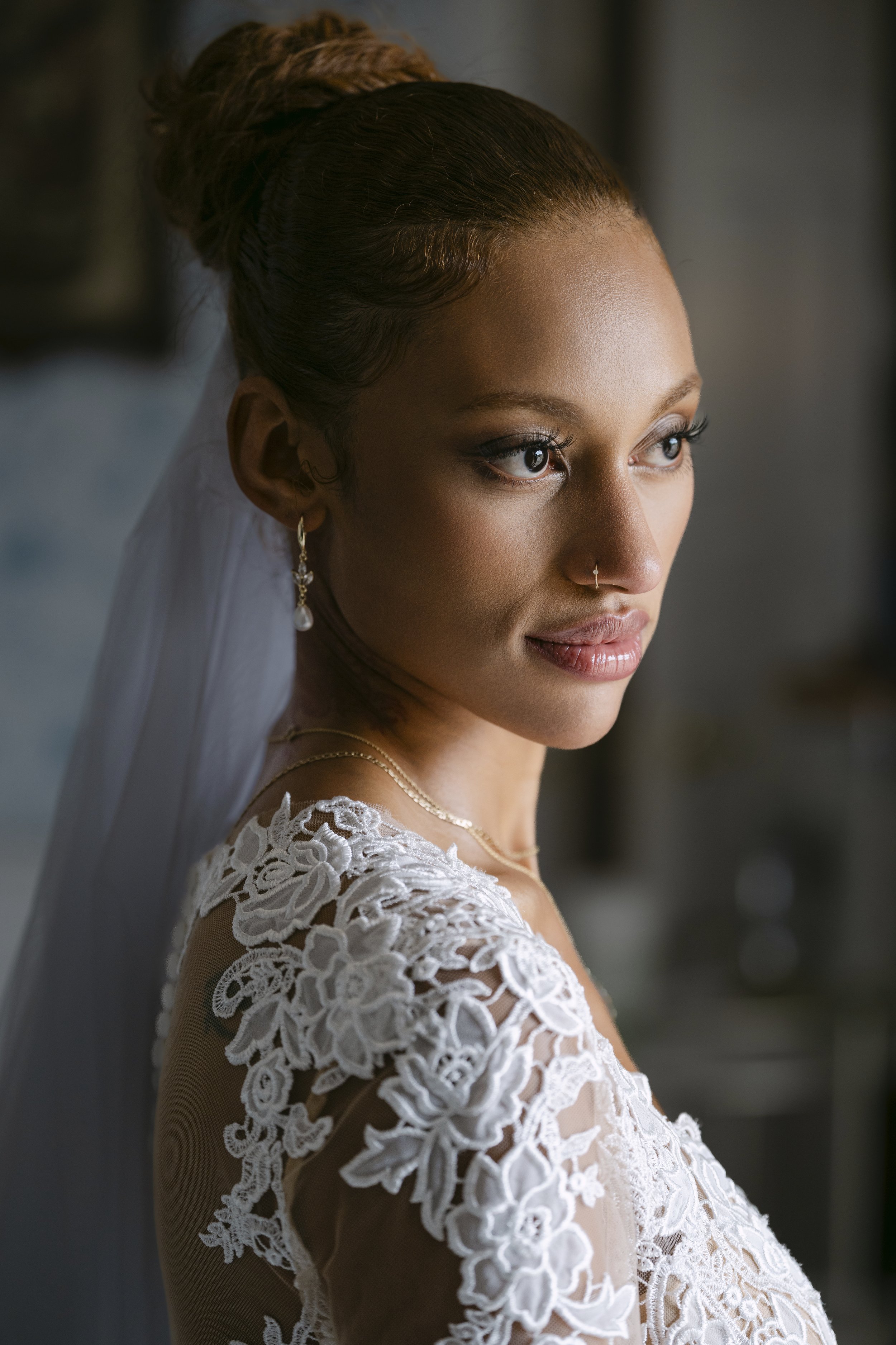
Richer shadows, deeper tones, more dramatic light. Often paired with editorial sensibilities. Works especially well for moody locations, evening receptions, and weather-driven outdoor weddings.
Good for: Couples drawn to drama, atmosphere, and emotion in their images.
A REAL TEST
Pull up five photographers' Instagram or portfolio pages. Without reading any captions, screenshot ten images that make you feel something. Look at them all together. The patterns in what you saved tell you what style you actually want, more honestly than any descriptive label could.
THE MOST IMPORTANT SECTION
Do you actually like this person?
This is the most important question you can ask yourself. You're not just hiring someone to take photos. You're inviting another person into the most charged, emotional, vulnerable hours of your life. They'll be in the room when you put on your dress. They'll be six feet away when you say your vows. They'll see your parents cry, your dog steal a flower, the moment between you and your partner right after the ceremony when you finally exhale.
If you don't actually like the person doing all that, the photos will tell.
People stiffen around photographers they don't trust. Couples can't be themselves around someone whose energy doesn't fit theirs. The most beautiful technical work in the world can't fix a connection that isn't there.
How to test for connection
Get on a call. Most photographers offer free 20 to 30 minute consultations, either video or phone. Take them up on it. The portfolio tells you what they make. The call tells you who they are.
On the call, pay attention to:
Do they ask about you and your partner, not just about the wedding?
Do they talk about their work in a way that resonates with you?
When you describe your day, do they get excited about specific things, or do they nod through generalities?
Are they listening, or are they waiting to talk?
Would you want to spend a full day with this person?
The last question is the real one. Your wedding day will involve anywhere between six and twelve hours with this person beside you. If the call leaves you energized about working together, that's a great sign.
Evaluating the work itself
Now look at the photographs. Most photographers show their best ten or twenty images on their homepage, but a homepage gallery doesn't tell the full story. To get a real sense of someone's work, look across multiple sources.
Where to Look
Their portfolio or homepage. The greatest hits, curated to show range. This is the photographer at their best. Use it to see if the style and aesthetic resonate with you.
Their Instagram or feed. A more recent and varied look at what they're shooting. Pay attention to what's been posted in the last six months versus older work. This tells you their current style.
Their blog or recent work section. If they have one, this is where you'll see fuller stories from individual weddings or sessions, maybe even full galleries. Even if they don't post entire galleries, you'll get a sense of how they cover different parts of a day.
A recent shoot or styled session, if you ask. Newer photographers and established photographers alike often have a few personal projects, styled shoots, or recent sessions they can share more fully. If a gallery isn't available, this is just as useful for understanding their work.
What to Look For
Whatever sources you're working with, look for these qualities:
Consistent editing across the work. If their early work is warm and film-like and their recent work is cool and blue, their voice is shifting. That's not always bad (artists grow and change), but it tells you what you'll get matters more than what they made two years ago. Look at the most recent work most carefully.
Range across different lighting. A great ceremony shot in golden hour means little if the indoor reception images are blown out or muddy. Look for work in soft outdoor light, harsh midday light, dim indoor light, and low-light evening situations. Wedding days have all of these, sometimes within a single hour.
Real moments, not just posed ones. Anyone can pose a couple in good light. Look for the laugh before the kiss, the parent's face during the first dance, the chaos of getting ready, the look between you during a toast. The unposed work tells you whether they can actually see what's happening.
Composition that feels intentional. Are the frames thoughtful? Do they use the location? Do they put the couple in conversation with their setting, or do all the images feel like the couple could be anywhere?
Variety within the same shoot. Wide establishing shots, tight detail work, environmental portraits, close-up emotional captures. A photographer with range tells the whole story of a day, not just the highlight reel.
Whether the work makes you feel something. This is the most important check, and the hardest to articulate. Beyond technical skill, beyond style labels, do these images move you? That feeling will be in your photos too.
FOR NEWER PHOTOGRAPHERS
If a photographer is newer or doesn't have a deep archive of full wedding galleries, that's not automatically a problem. Look at what they have. A small body of consistent, intentional work shot recently can tell you more than a large archive of mixed-quality older work. Ask about styled shoots, personal projects, second-shooting experience, and what they're working on right now. Newer photographers often bring fresh energy and care that established photographers can lose.
The Questions that Actually Matter
Once you've narrowed your list to two or three photographers whose style and energy fit, here's what to ask in your consultation or follow-up email. You don't need to ask all of these. Pick the ones that matter most for your situation, and use them to start a real conversation rather than a checklist interview.
ABOUT THEIR WORK AND APPROACH
How would you describe your photography style?
What do you love most about photographing weddings or elopements?
How much do you direct couples versus letting moments happen?
ABOUT LOGISTICS AND THE DAY
How do you construct your typical wedding day timelines?
How do you handle weather contingencies?
What's your backup plan if you're sick or have an emergency the day of?
Do you have a second shooter that you work with regularly?
How do you handle low-light situations like dim reception venues?
ABOUT WORKING TOGETHER
What's your favorite part of a wedding day?
What happens if our day runs long or we need additional coverage?
How do you typically deliver final images?
Do you offer prints or albums?
Investment and What's Actually Included
Wedding photography pricing varies enormously, and the dollar amount alone doesn't tell you what you're getting. A $2,500 package with 4 hours of coverage is not directly comparable to a $5,000 package with 8 hours, two photographers, an engagement session, and an album. Compare what's included, not just the price tag.
What good packages typically include:
Pre-wedding consultations and planning support
A defined number of hours of coverage on the wedding day
Travel within a reasonable area
A defined turnaround time for delivery
An online gallery for viewing and downloading images
Personal printing rights to your images
What might cost extra:
An engagement session (sometimes included, sometimes added)
A second photographer
Film, if the photographer offers it as an option
Travel beyond their standard area
Albums, fine art prints, or framed pieces
Additional hours beyond the package coverage
Rehearsal dinner or day-after coverage
What price tells you (and what it doesn't)
Higher prices generally reflect more experience, higher demand, and either premium services or premium output. A photographer charging $7,000 has usually been working long enough to charge that, with a portfolio and process that justifies it. A photographer charging $2,500 may be newer, may be operating in a smaller market, or may simply be early in pricing growth that will continue.
Price does not tell you whether someone will be a good fit for you. Some of the most expensive wedding photographers in the country produce work that doesn't move you. Some of the most affordable produce work that does. Style fit and connection matter more than the dollar amount.
WORTH KNOWING
In multiple wedding industry surveys, photography ranks among the top regrets when couples wish they'd spent more. The flowers fade, the food gets eaten, the venue is forgotten. The photos are still on your wall in 25 years. If your budget will stretch further on photography than on something else, this is the place to invest.
A few Red Flags
Most wedding photographers are honest professionals doing their best work. Occasionally something off shows up. These are the warning signs worth paying attention to.
No contract. Any photographer worth booking will use a written contract. It protects both of you. If they want to operate on a handshake or a Venmo deposit, walk away.
Vague or evasive on logistics. "We'll figure it out" is fine on creative direction. It's not fine on backup plans, delivery timelines, or what happens if they can't make the date. You need clear answers on the practical pieces.
Pressure to book immediately. Good photographers do book out, sometimes a year or more in advance, but creating false urgency to push you into a decision is a sales tactic. Take the time you need.
Inconsistent recent work. If their portfolio is gorgeous but their last six months on Instagram looks completely different (and not in a good way), ask about it. Their current work is what you'll get, not the curated highlights.
Doesn't ask questions about you. A photographer who shows no curiosity about your relationship, your day, or your specific situation is selling you a template, not a personal experience. The best photographers want to know who they're working with.
Bad reviews about communication. Every photographer occasionally has a difficult client. Pattern complaints about disappearing for weeks, missed deadlines, or unresponsive communication are different. Look for patterns in reviews, not isolated incidents.
Final delivery times that feel too long. Industry standard is 4 to 8 weeks for full galleries, longer if film is involved (sometimes up to 12 weeks). Anything longer than that without a clear explanation is unusual.
When to Trust Your Gut
You'll do all the work above, look at portfolios, get on calls, ask the right questions, compare packages, and then at some point you'll have to decide. If two photographers feel close and you're going back and forth, the tiebreaker is almost always the gut feeling. The one whose work made you stop scrolling. The one whose call left you energized instead of polite. The one you can imagine in the room with you on the day. That instinct is real. Your wedding day is built around feelings as much as it's built around photographs. The right photographer feels right. Trust that.
One Last Note on Timing
Wedding photographers book out faster than most other vendors. Twelve months out is not unusual. Eighteen months for the most in-demand photographers in popular markets is increasingly common. Once you have a date and venue, photography should be one of the first vendors you secure.
Don't let availability force your hand toward someone who isn't right for you. If your top choice is booked, look at their network. They often refer to photographers whose work and approach are aligned with theirs.
Think we might be a good fit?
If you're considering us as your photographer, send a note. We'll set up a call, talk about your day, and figure out together whether we're a fit. No pressure, no sales pitch. Just a conversation.
Frequently Asked Questions
-
Twelve months out is the standard. For peak-demand months (June, September, October in most markets) and in-demand photographers, 18 months is increasingly common. Elopement photographers often book a little later than full wedding photographers, but not by much. Once your date and venue are set, photography should be one of the first vendors you secure.
-
Wedding photography prices vary by market, experience level, and what's included. Most full-day wedding photography in Colorado falls between $3,500 and $9,000. Elopement photography typically runs $1,800 to $6,000 depending on coverage hours, whether film is included, and how many days are covered. A general guideline is 10 to 15% of your overall wedding budget toward photography, though many couples invest more.
-
Yes, with the right approach. A newer photographer with a clear style, intentional recent work, and good communication can give you a wedding gallery that rivals more established photographers, sometimes at a more accessible price. The key is to look at their most recent work, ask thoughtful questions about how they handle different situations, and make sure the connection is there. Newness isn't the same as inexperience, and inexperience isn't the same as bad work.
-
Yes, almost always. Email gives you facts and pricing. A call gives you the connection. Most photographers offer free 20 to 30 minute consultations because both sides need to know if it's a fit. If a photographer doesn't offer or won't take a call before booking, that's a small red flag in itself.
-
Film has a softer grain, more natural skin tones, and a tactile quality that holds up beautifully over time. Digital is cleaner, more flexible in low light, and faster to process. Most film-forward photographers shoot a mix of both: film for ceremonies and portraits where the look matters most, digital for reception coverage and anywhere quick adaptability is needed. Film adds cost and turnaround time but produces images with a distinct feel.
-
It depends on your day. For weddings with 100+ guests, a getting-ready setup spread across multiple locations, or a complex timeline with simultaneous events, a second photographer is genuinely useful. For elopements, microweddings, and smaller weddings (under 80 guests), a single photographer is usually plenty. Ask the photographer what they recommend for your specific day rather than treating it as a required add-on.
-
Talk to your photographer. Most engagement sessions exist partly so you can flag what's not working before the wedding day. If the photos feel off, it's almost always something fixable: a different location, a more relaxed approach, less direction, more direction, different time of day. A good photographer wants the feedback. If you can't trust them with that conversation, that's worth knowing before the wedding.
-
Three signals working together. First, their portfolio makes you feel something. Second, the call leaves you energized rather than polite. Third, the contract and communication feel clear and professional. When all three line up, the answer is usually obvious. When you have to talk yourself into one of them, that's worth listening to.