
Bridal Portraits on Film: Traditional Meets Editorial
Your grandmother's bridal portrait has probably been hanging somewhere in the family home your entire life. You know every detail of it — the way the light falls across the shoulder, the particular stillness in her expression, the dress that someone kept in a box for sixty years just in case. That photograph did something. It carried a person across time.
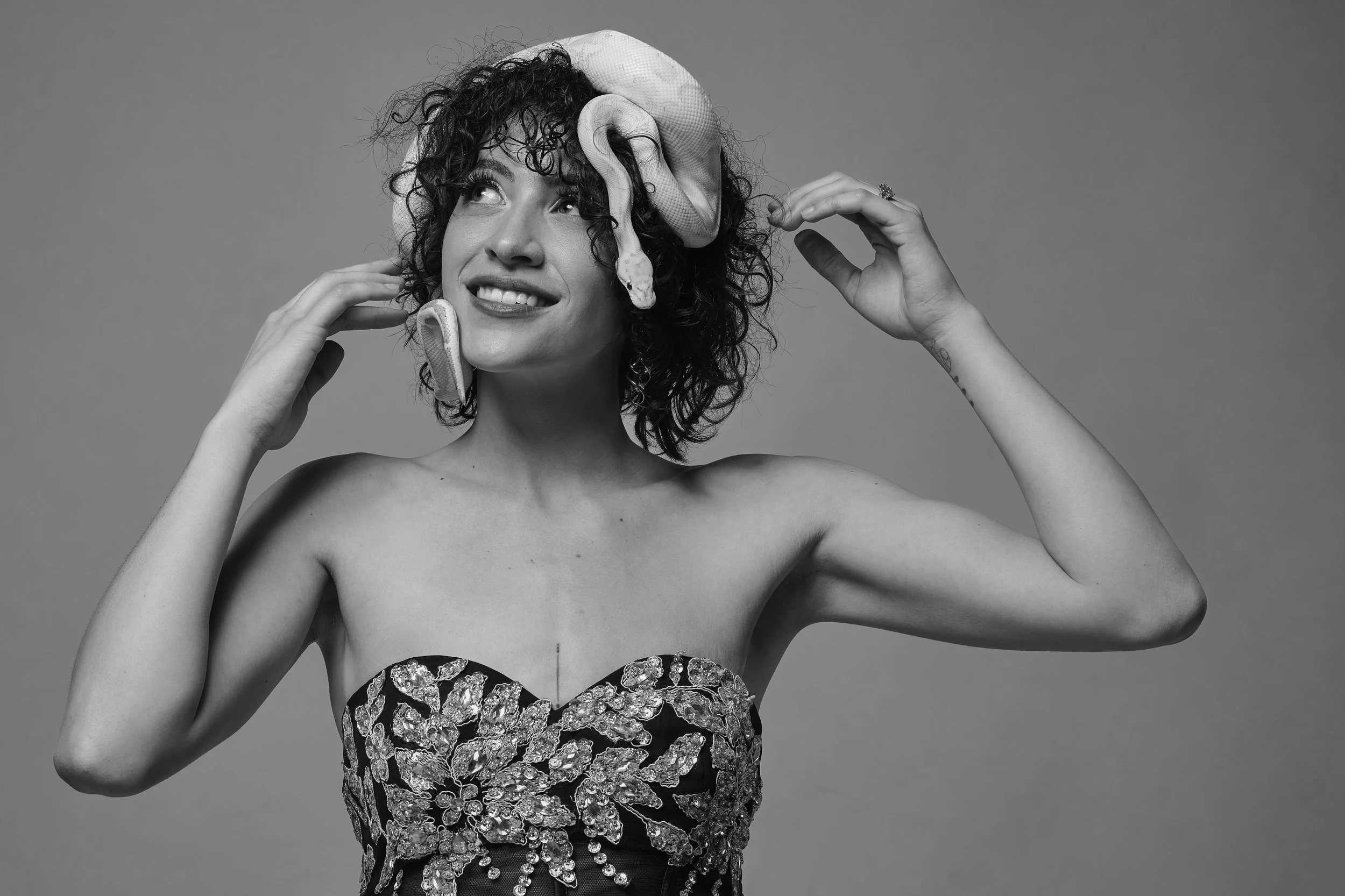
Something old, reimagined.
The bridal portrait tradition has been around long enough that most brides don't think twice about it — or worse, they skip it entirely because they assume it means stiff, staged, and boring. I want to make the case that the bridal portrait is actually one of the most exciting creative opportunities in the entire wedding process. And I want to make the case that doing it on film, done right, and done after the wedding — changes everything.
The Image That Gets Passed Down
Think about what a bridal portrait actually is when it's working. It's not documentation. It's not evidence. It's closer to a painting — a deliberate, composed moment where a woman in the dress she chose, lit the way the photographer intended, exists in arrested time. It's the image that doesn't explain anything about the wedding day. It doesn't need to.
That photograph ends up on walls. In albums that outlast the people in them. It gets pulled out at a daughter's bridal shower decades from now, and someone says "this is how you looked." The stakes on that image are real. It deserves more than ten hurried minutes between the first look and cocktail hour.
Film does something specific to that kind of image. The grain, the tonal range, the way highlights roll off rather than clip — there's a warmth and a weight to film that says permanent in a way that a sharp digital file doesn't always. It looks like it belongs in a box in someone's attic. It looks like it has already been there for thirty years. That is not a flaw. That is exactly the point.
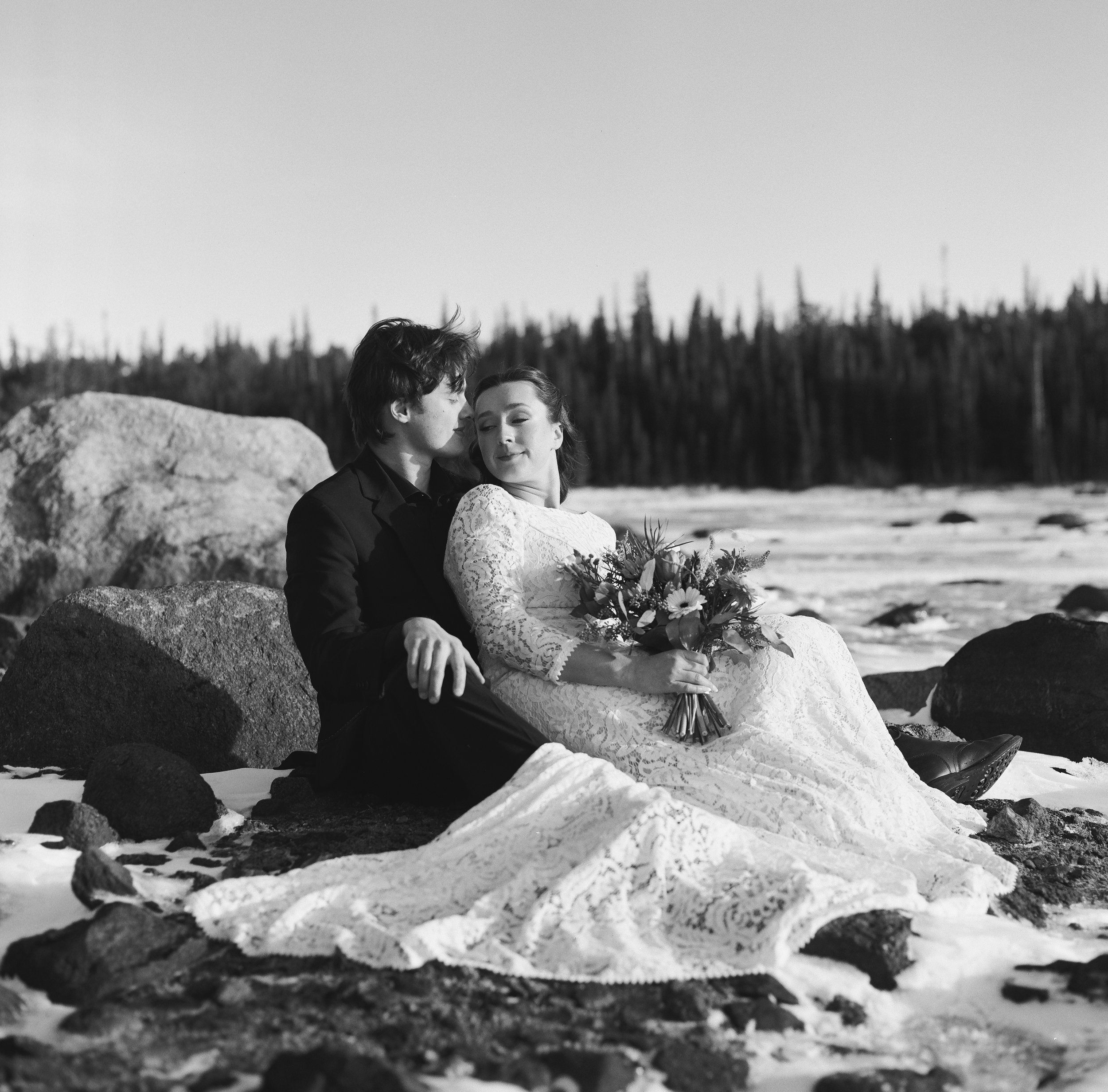
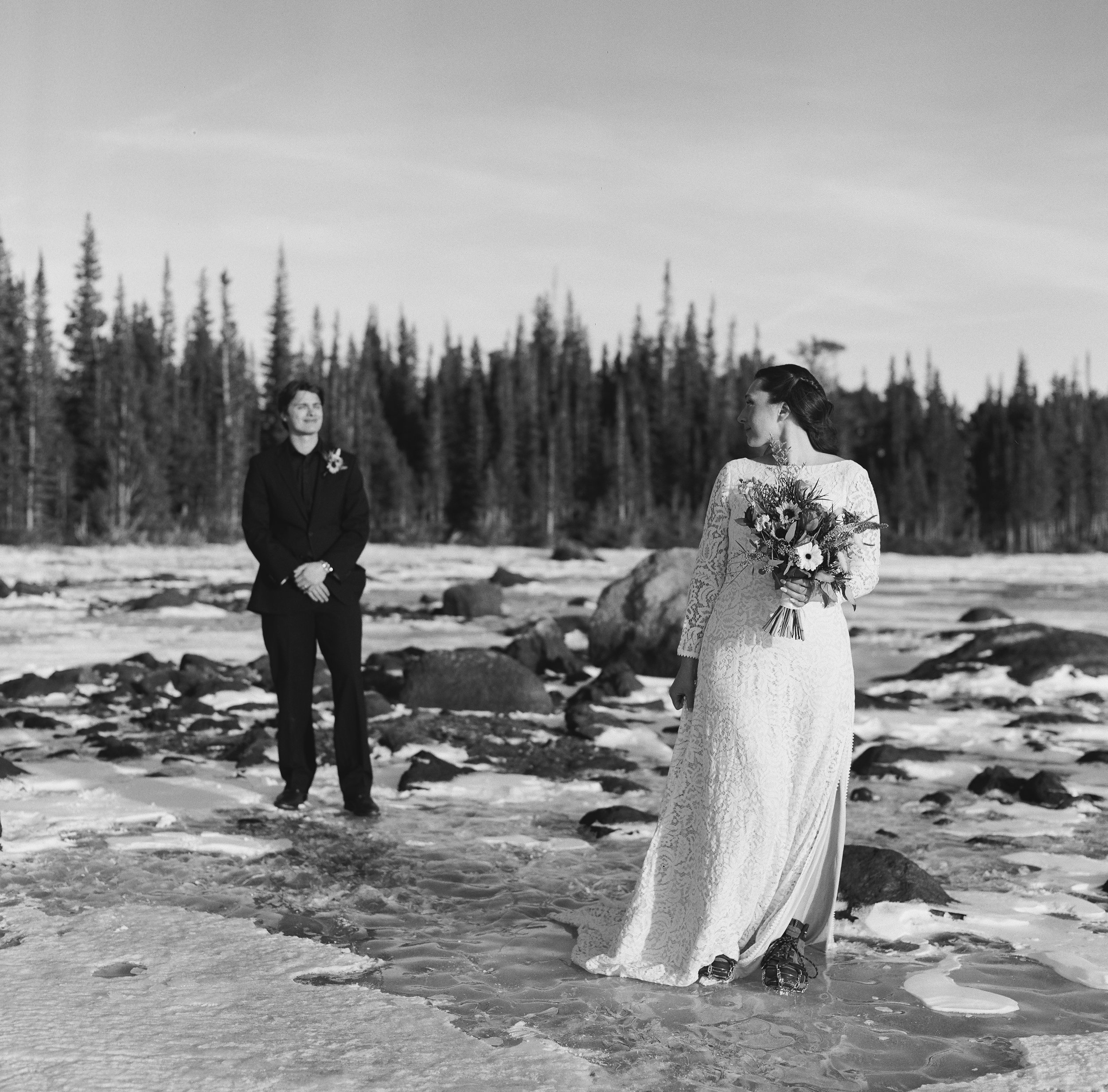
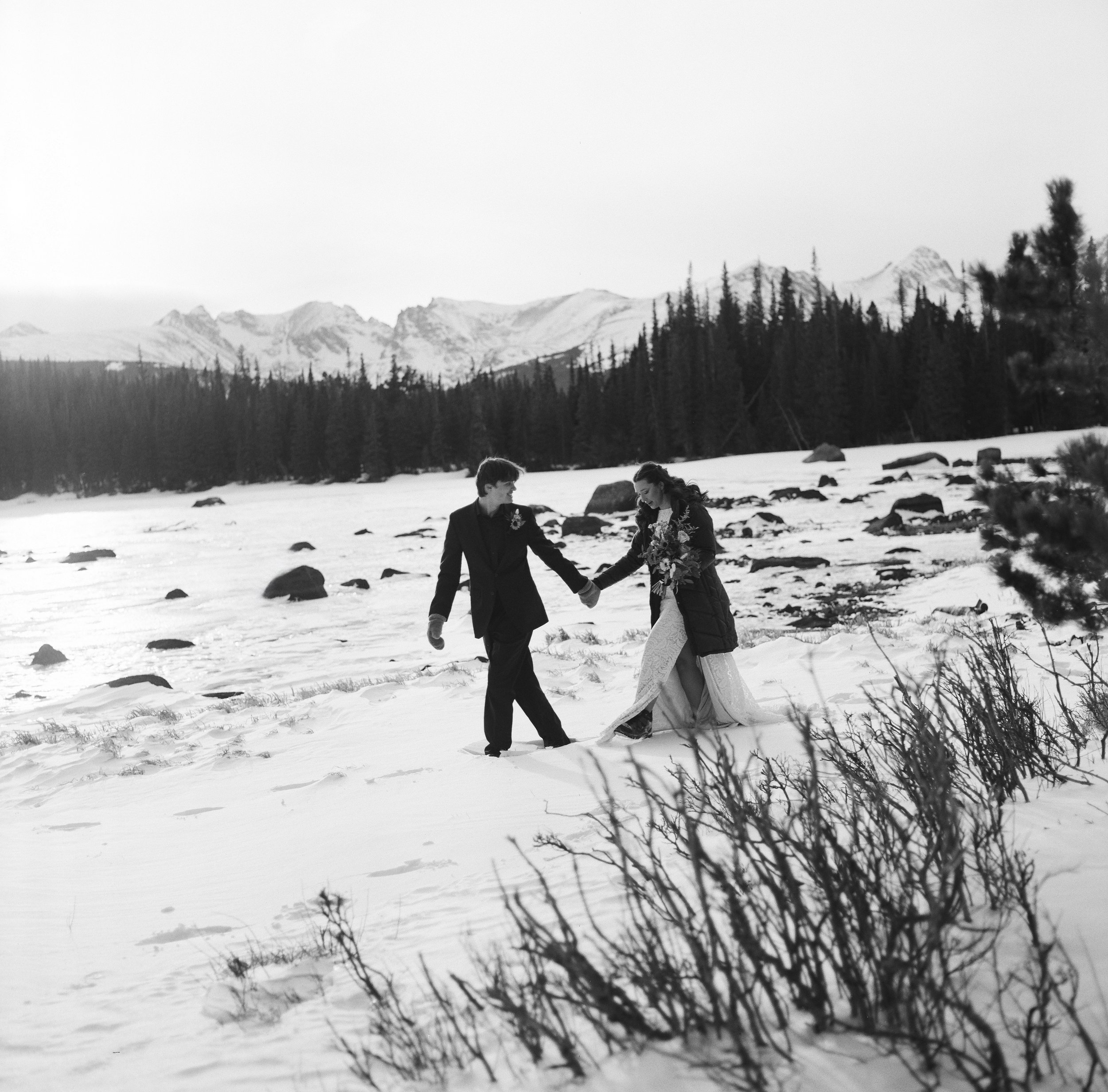
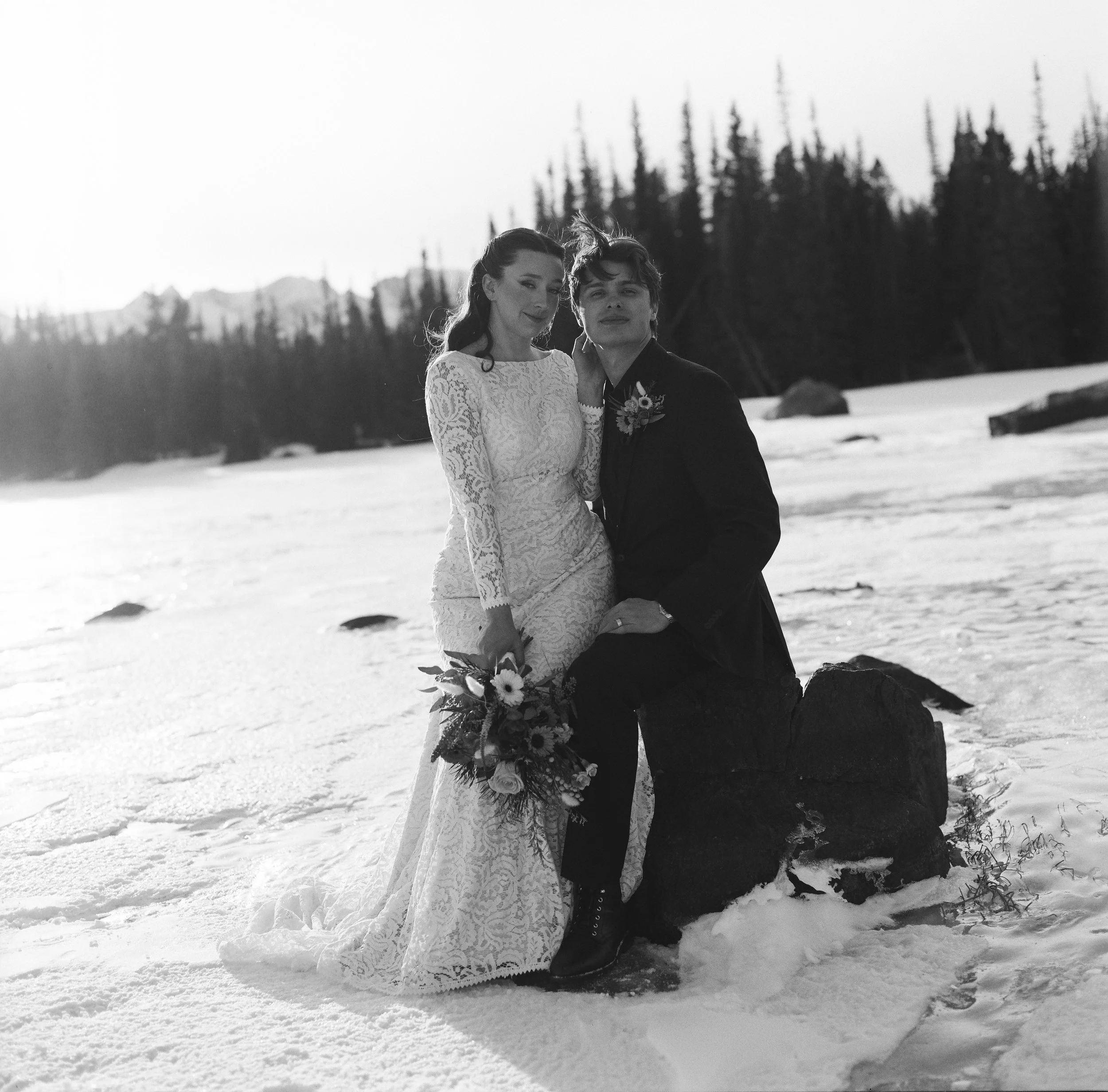
Two Things at Once: Traditional Roots. Editorial Edge.
Here's where it gets interesting. The traditional bridal portrait and the editorial bridal aesthetic that's taken over the last several years are not opposites — they're actually a perfect tension. And when you lean into both of them at once, the result is something that feels simultaneously timeless and deeply now.
THE TRADITIONAL
Quiet, composed, built to last
Soft directional light. The dress as subject. An expression that isn't performing for the camera — it simply exists in front of it. The kind of image that reads as significant without needing any context to do so.
THE EDITORIAL
Bold, unconventional, full of intention
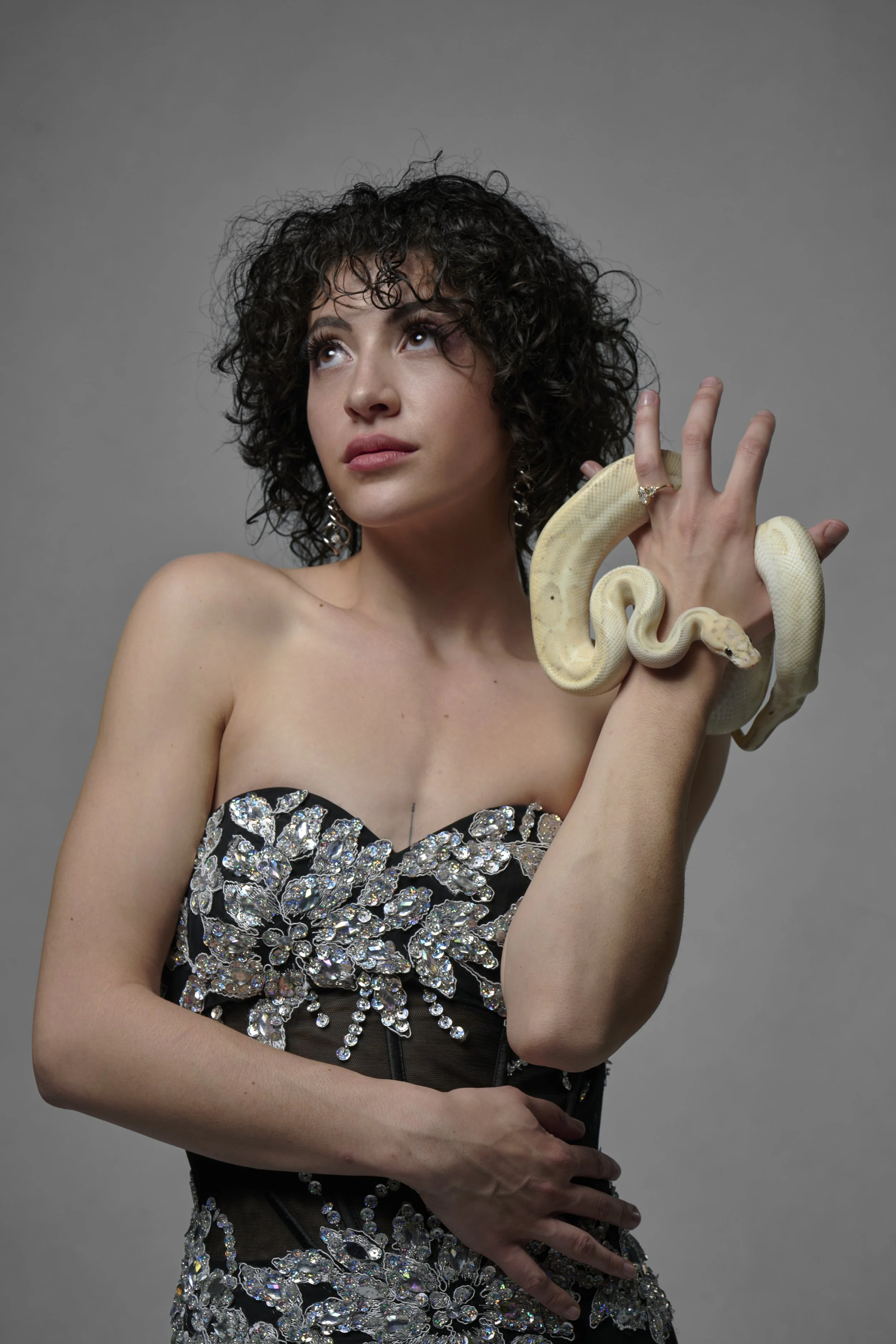
Strong shadows. Unexpected angles. Posing that communicates something beyond "happy bride." Locations chosen for visual tension, not just prettiness. An image that could exist in a magazine spread and feel totally at home.
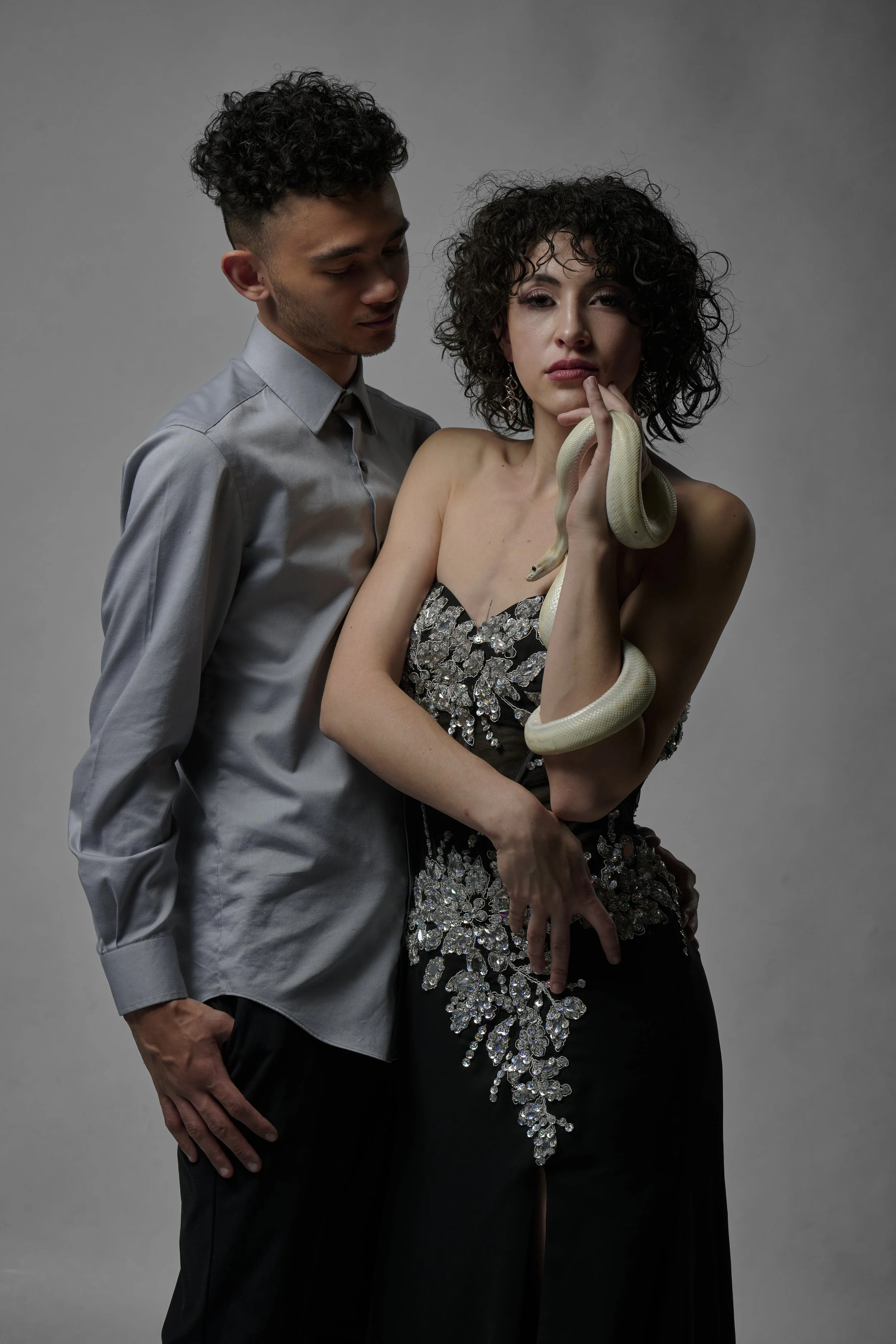
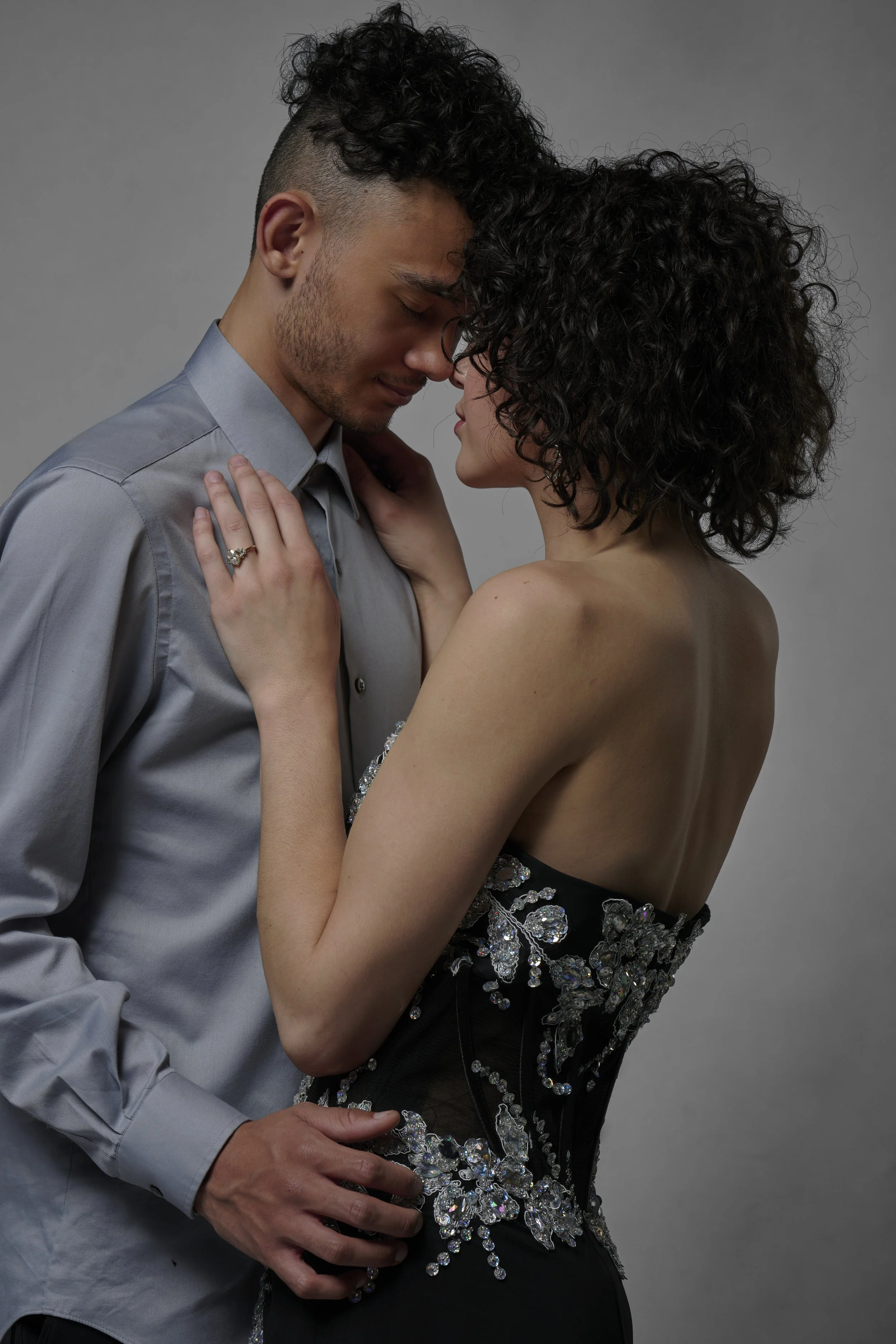
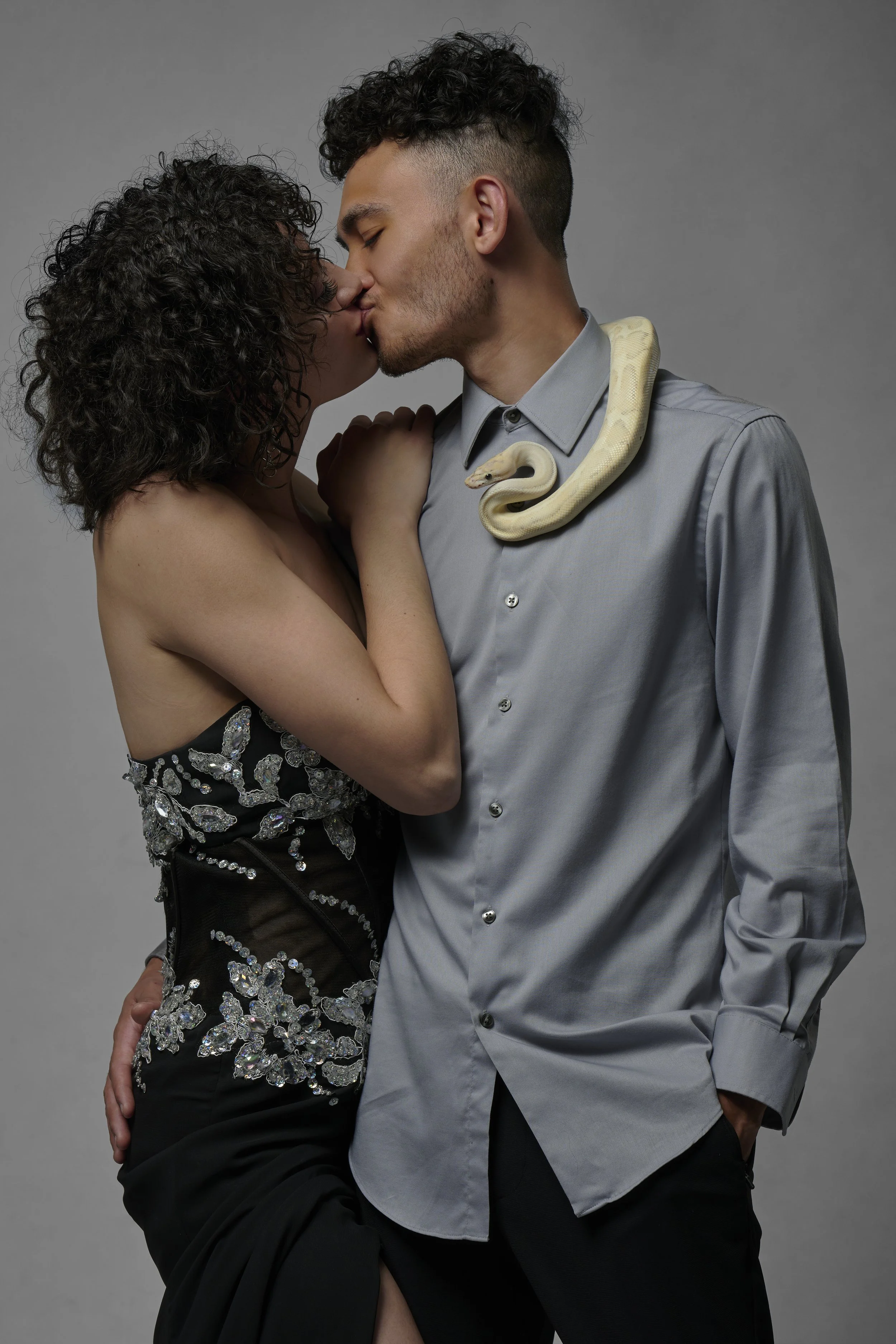
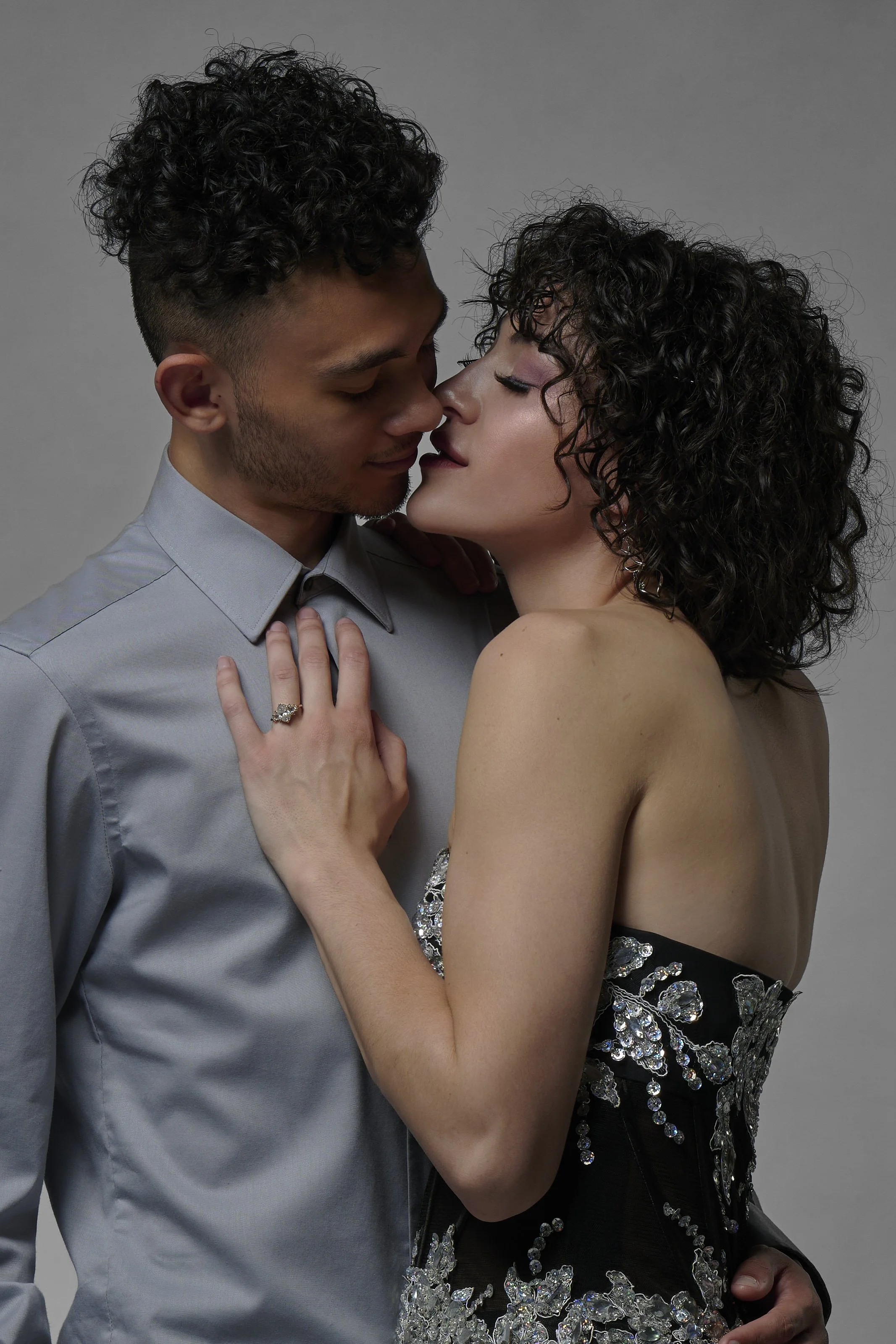
The combination is what makes a bridal portrait session in 2024 worth getting excited about. You're not choosing between honoring the tradition and making something you're personally obsessed with. You're doing both. The film holds it all together — it's the through line that makes the avant-garde posing feel rooted rather than performative.
“The wedding day is about the wedding. The bridal portrait session — the one you do after — is entirely about you. That’s a different kind of photograph.”
Why After the Wedding Changes Everything
The traditional bridal portrait was always shot before the wedding — often the day before, to avoid the groom seeing the dress. And while that's still a beautiful option, there's an argument I'd make for flipping it entirely: do your portrait session after you're married, and do it with real creative intention.
I cannot overstate how different the energy is. On your wedding day, you are running a very complicated event. You are a host, a coordinator, a person managing a hundred emotional variables at once, and somewhere in there you are also trying to be present for the most important day of your life. The photography happens between all of that. It's good — it can be great — but it's always happening in the margins.
WHAT A DEDICATED SESSION ACTUALLY GIVES YOU
01 Time without a clock on it
A full morning or afternoon where the only thing on the schedule is making beautiful images. No venue coordinator tapping their watch. No guests waiting on cocktails. No timeline at all, really. We stay in a spot as long as it's giving us something worth keeping.
02 Permission to try things that feel weird at first
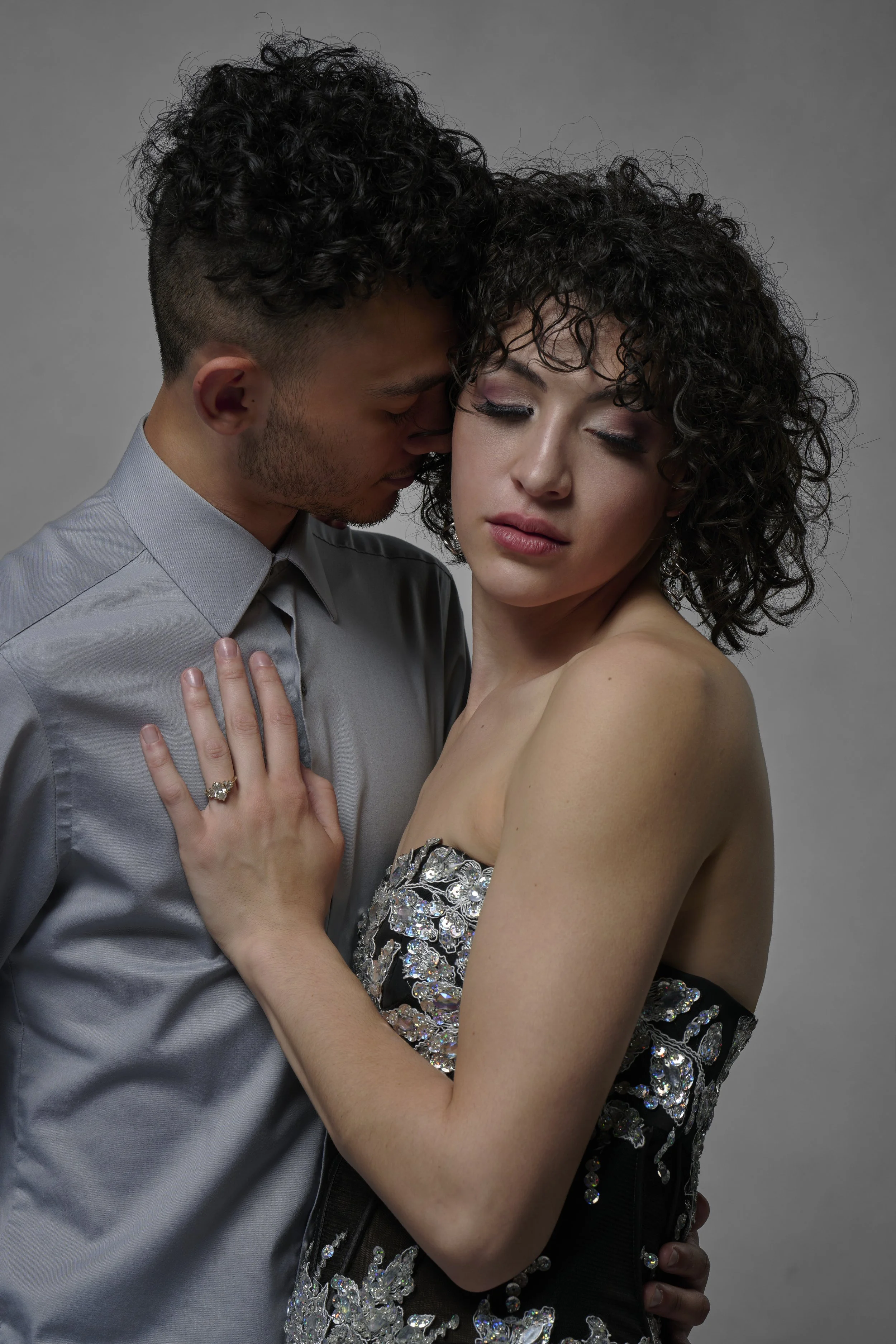
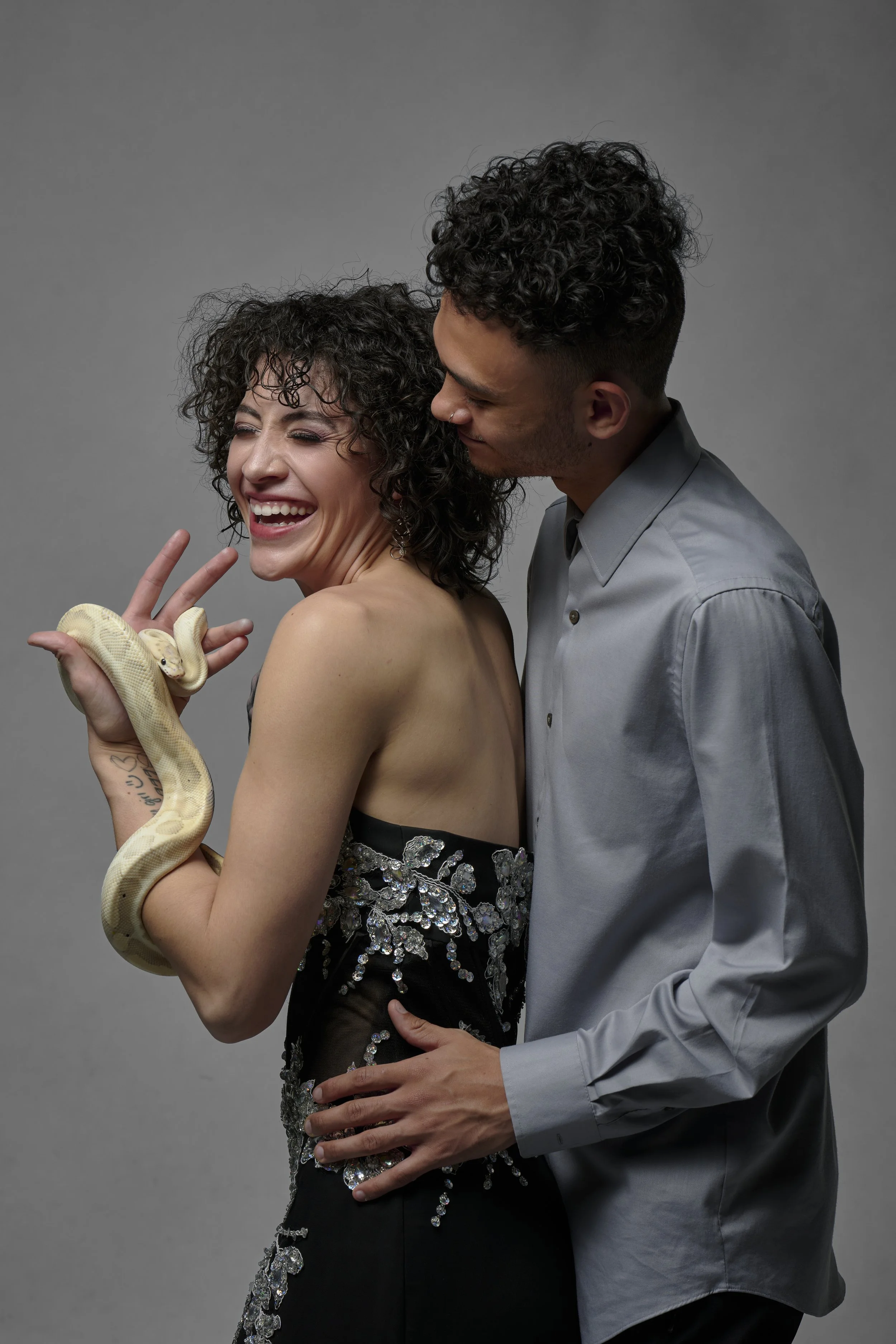
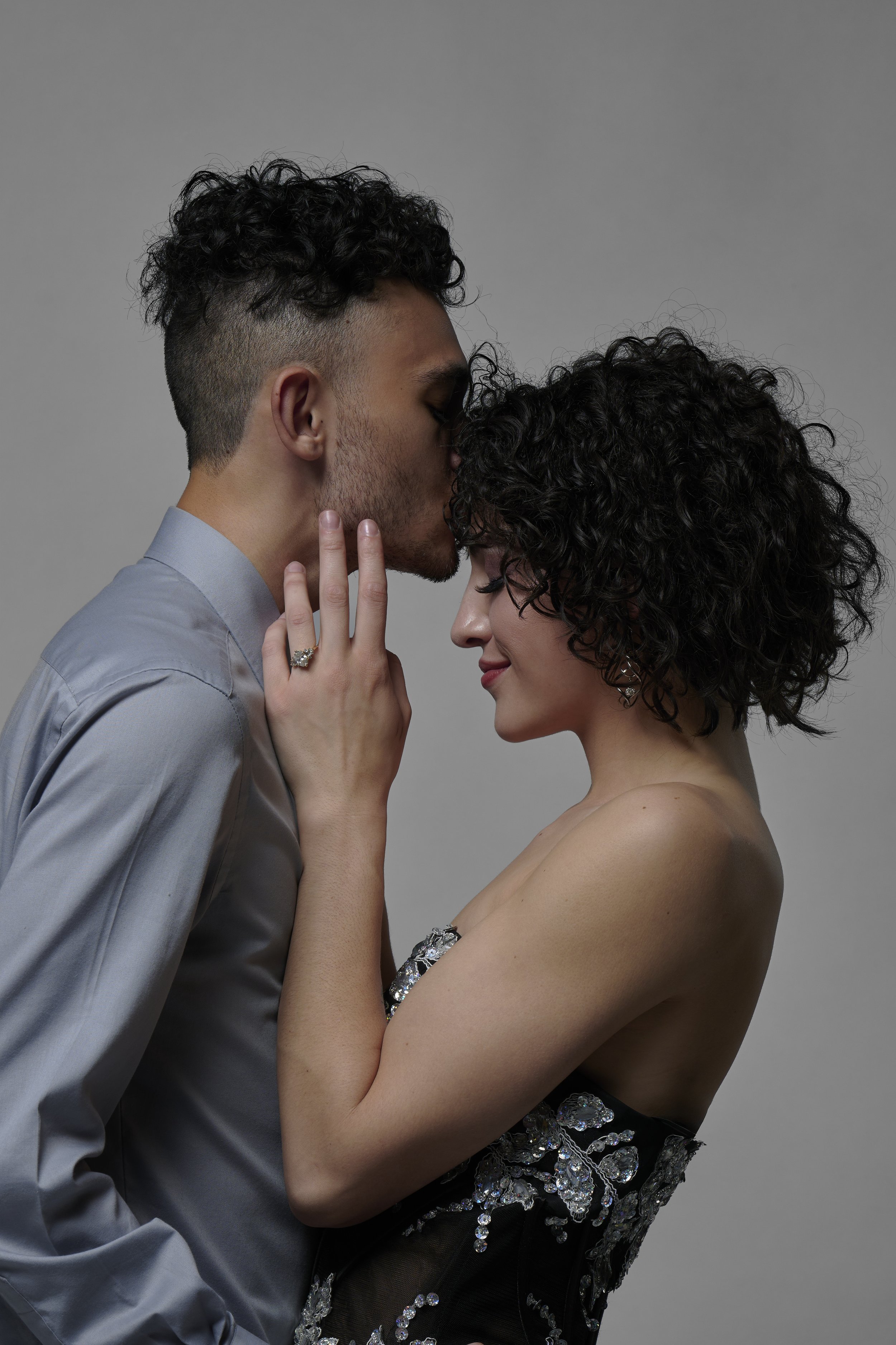
The editorial posing that looks incredible in photographs — the tilted angles, the turned backs, the stillness that borders on uncomfortable — takes time to ease into. On a wedding day, there's no time to ease into anything. In a dedicated session, we can spend twenty minutes on a single composition until it's exactly right.
03 No audience
Being in your dress in front of your entire family and wedding party is a particular kind of pressure. In an after-session, it's just you, maybe your spouse, and the photographer. The difference in how people carry themselves is immediate and profound.
04 Location on your terms
The wedding venue is where the wedding happened. The portrait session can be anywhere. A brutalist building with dramatic shadow. A field going golden in October. An empty cathedral on a Tuesday afternoon when the light comes through the windows differently than it ever does on a Saturday. You choose the backdrop that matches the image you want, not the venue you already booked.
05 The dress gets a second life
Most wedding dresses get worn once, cleaned, and boxed. An after-session changes that. Brides who do these sessions consistently say it's one of the best decisions they made — they got to actually exist in the dress without managing a wedding at the same time.

Why Film, Specifically
There's a practical reason and a romantic one. The practical reason: film handles skin tone and highlight rolloff in a way that is genuinely difficult to replicate in post-processing, especially in soft or mixed light conditions. A bride in a white dress in window light is an exposure challenge. Film tends to handle it more gracefully than digital.
The romantic reason: the grain structure of film — especially pushed black-and-white — reads as history. These images are meant to live for decades. The medium communicates that. When your granddaughter looks at this photograph in forty years, it will not look like an Instagram post that got printed. It will look like something made with care and intention, because it was.
“Photography is a way of feeling, of touching, of loving. What you have caught on film is captured forever... it remembers little things, long after you have forgotten everything.”
The Intentionality
There's a version of your bridal portrait that exists somewhere between your grandmother's photograph and the editorial spreads you've saved to a folder on your phone for the last year. It lives in that specific overlap — reverent about what a bridal portrait is supposed to do and completely uninterested in being ordinary.
It's shot on film because some things deserve a medium that slows down. It's styled with intention because every detail in the frame is a choice. It's posed in a way that makes you look like yourself rather than a generic version of "bride." And it's shot in a dedicated session — after the wedding, on a quiet weekday morning or a golden afternoon — when there is nowhere else to be and nothing else to manage.
That's the session I want to build with you. Not the ten minutes between ceremony and reception. Not the rushed portraits in the parking lot because we lost light. A real, unhurried, creative morning that produces an image you will actually want framed on the wall. One that your people will hold onto.
The tradition exists for a reason. Let's honor it and push it forward at the same time.
Let's make something worth keeping for generations.
Bridal portrait sessions are booked individually, either before or after your wedding date.
Digital, film, or both. Let's talk about what you're envisioning.