
Can Your Dog Sign Your Colorado Marriage License? A County-by-County Guide
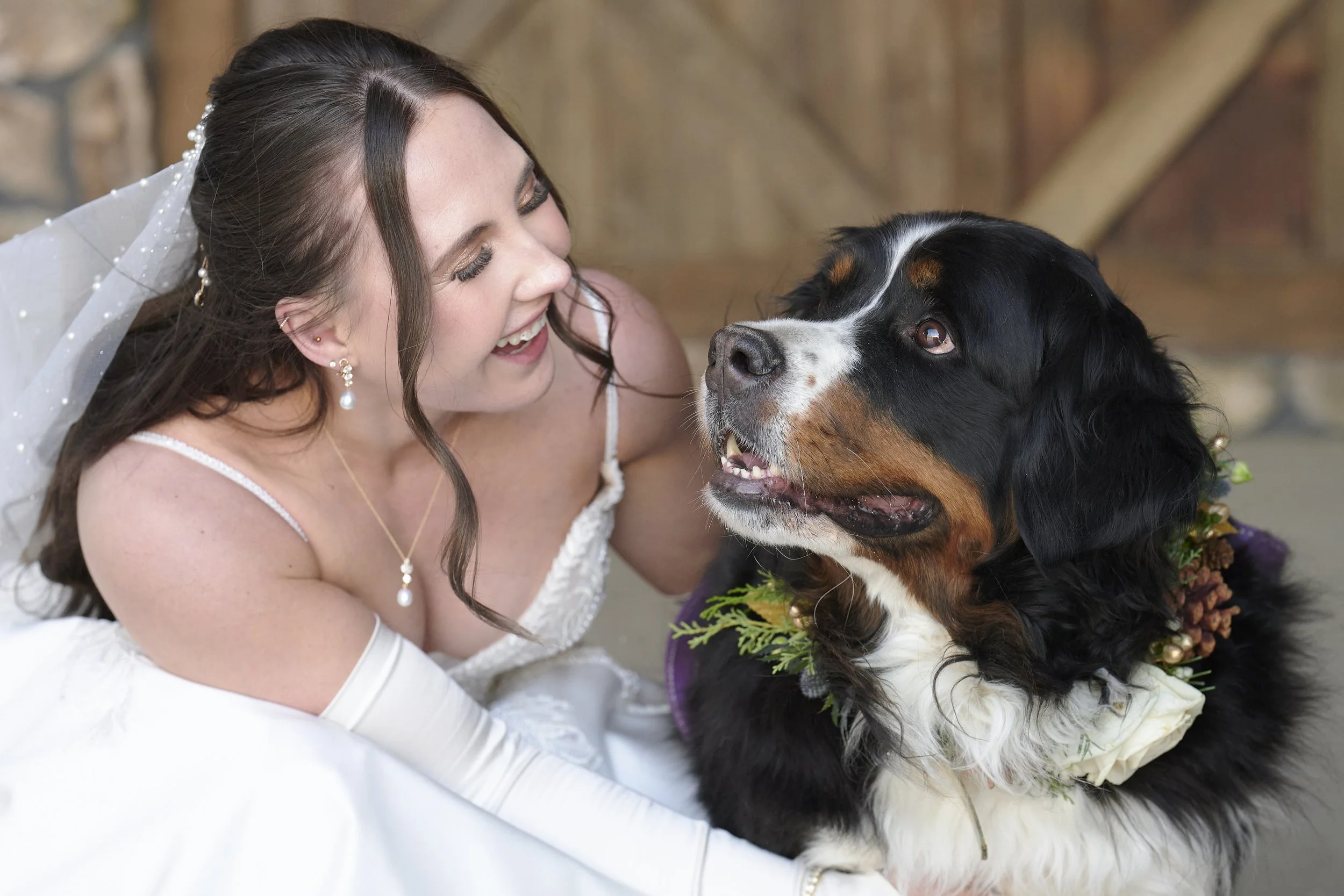
There's a line on your Colorado marriage license where a witness is supposed to sign. Most couples hand it to a family member or leave it blank. Some couples, however, let the most honest relationship in their lives leave “sign” — their pet. And the State of Colorado is completely fine with it, in most counties.
This isn't a technicality someone stumbled on. It's a direct result of how Colorado's marriage law is written, and it's one of the most unique ways to incorporate your pet on your wedding day that also happens to be legally sound. Here's everything you need to know about how it works, which counties allow it, and what the moment actually looks like when it happens.
Self-Solemnization: How Colorado Law Makes a Dog Witness Possible
Colorado is one of roughly two dozen U.S. states that allows self-solemnization. That means a couple can legally marry themselves, without an officiant and without any witnesses present at all.
Under C.R.S. § 14-2-109, a marriage may be solemnized by a judge, magistrate, retired judge, public official, clergy, or by the parties to the marriage themselves. That last bit is the key. When no officiant is required, no witness is required either. And when the witness line is optional, who (or what) fills it becomes entirely up to the couple.
What makes Colorado unusual isn't just this law in isolation. It's the combination of factors that make it one of the most flexible states in the country to get married in:
No waiting period — you can pick up your license and use it the same day
No residency requirement — you don't have to live in Colorado
License fee: $30 from your county clerk's office
35 days to use the license after issuance
63 days to return the signed certificate to the clerk
That's it. No hoops to jump through, no officiant registration, no required rehearsal or ceremony structure. Just two people, a piece of paper, and (if you want) your beloved pet.
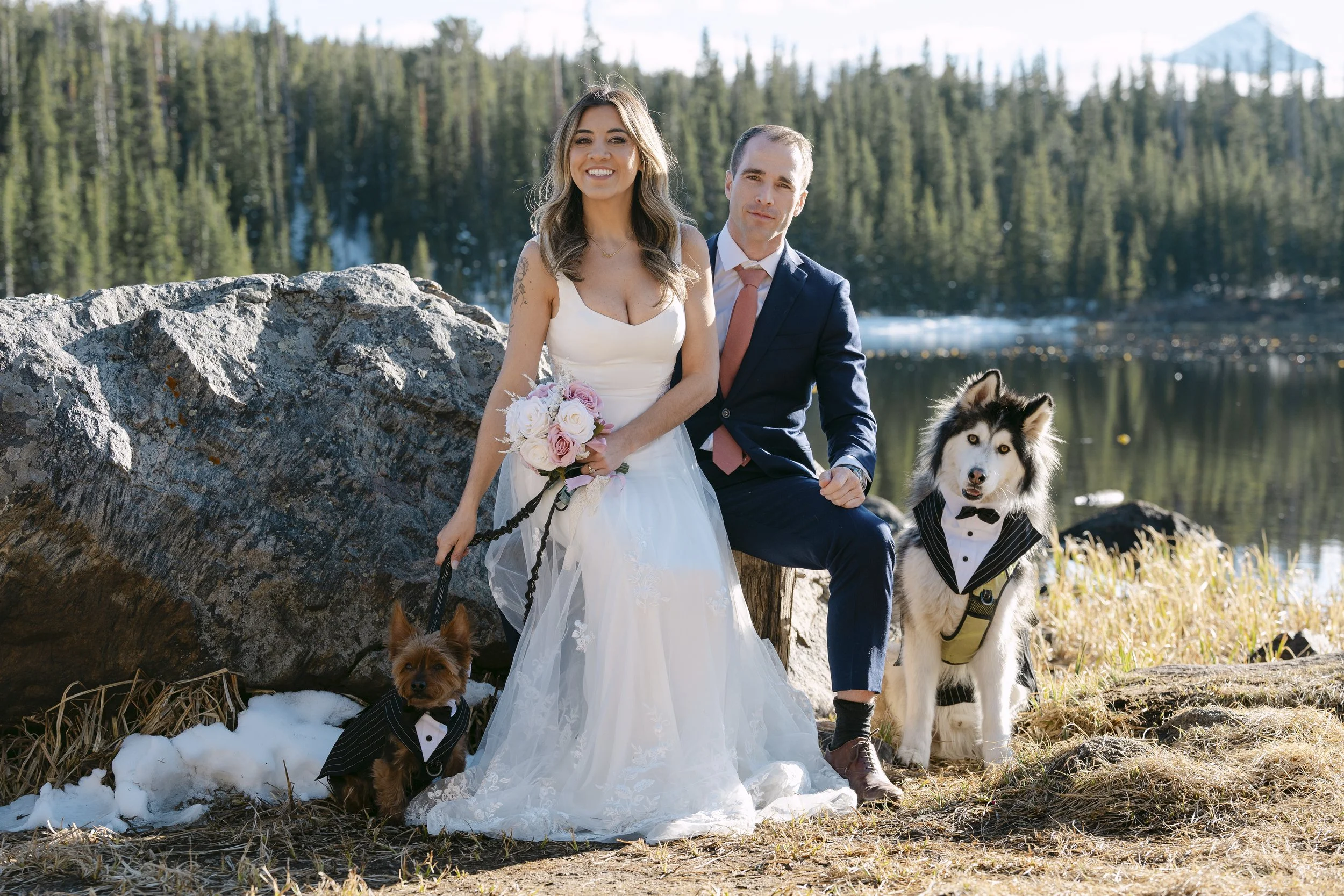
Which Colorado Counties Allow a Dog to Sign the Marriage License?
It’s important to note that this is county-by-county discretion, not a statewide blanket policy. Currently there are two counties that do not allow paw print signatures — Denver and Arapahoe counties. Denver County explicitly states on their county clerk’s website that paw prints are not allowed, while Arapahoe County requires a phone call to learn this information.
Thankfully, Colorado has 64 counties, and the other 62, including mountain counties like Pitkin (Aspen), Summit (Breckenridge), Eagle (Vail), Chaffee (Salida/Buena Vista), Grand (Winter Park), Clear Creek (Idaho Springs/Georgetown), all allow paw print witnesses.
That being said,county policies change based on individual clerk discretion. There is no formal statewide protection of this practice, which means a county that said yes last year might say no next week. The right move is always to call the specific county clerk's office before you go and confirm.
What If Your County Says No?
You're not stuck. A Colorado marriage license is valid statewide regardless of which county issued it. So if you live in Denver or Arapahoe County, but you want your dog as a witness, you still have options. You can drive to a neighboring county clerk that does allow paw prints, pick up the license there, and use it anywhere in Colorado. Alternatively, you can self-solemnize on the spot at the clerk's office (signing the license legally complete right there), then have your dog add their paw print after the ceremony. It won't be legally required at that point, but it will be on the document.
How Does Your Pet Actually Signs Your License?
Obviously, your dog is not going to pick up a pen. What they're going to do is leave a paw print on the witness line, and it’s actually easier (and less messy) than you might think. Most people opt to use an inkiness paw print kit, which is easy and cheap to find online. It create a clean, legible impression, without creating the chaos of inky paws. You place the ink pad over the license and press your pet’s paw against it, transferring the ink to the paper.
Hot Tip: Do a practice run on a blank sheet of paper first. This is likely a two person job, especially if you have a wiggly pup.
Why It Matters
For a lot of couples, their dog isn't an afterthought on their wedding day. They're the reason certain venues get ruled out, the reason location scouting involves checking trail policies, and the reason the for seeking out pet friendly accommodations. Having them sign the license is just the most official version of what's already true: they're part of the relationship, so they're part of the day.
Planning a Colorado elopement and have questions about the logistics? I'm happy to help point you in the right direction.
TL:DR
-
Yes — in most Colorado counties, a paw print on the witness line of your marriage license is legally valid. This is possible because Colorado's self-solemnization law (C.R.S. § 14-2-109) doesn't require a witness at all, making the witness line optional. When it's optional, a dog's paw print is as valid as any other mark.
-
As of 2025–2026, Denver County and Arapahoe County have explicitly stated they do not allow pet signatures on marriage licenses. All other 62 counties have generally been accepting of paw prints, though policies can change — always call your specific county clerk ahead of time to confirm.
-
No. Your dog just needs to be present when you actually press their paw to the paper, which typically happens after the ceremony. They don't have a legal role in the solemnization itself — they're signing as a witness, not as an officiant.
-
You need either a pet-safe inkless paw print kit (recommended) or a pet-safe ink pad, a second person to help steady your dog, and ideally a practice run on a spare sheet of paper before you attempt it on the actual license.
-
Yes. The logic applies to any pet — the witness line is optional under Colorado self-solemnization law, meaning cats, birds, bunnies, and any other animal family member can technically leave their mark. Dogs are just the most logistically cooperative about the whole thing.